Building a Strong Business Case: Key Components
When it comes to presenting a business case, it is essential to include all the key components that will make it strong and compelling. A well-crafted business case not only outlines the problem at hand but also offers a detailed solution that is financially viable and strategically sound. In this article, we will delve into the key components that are crucial for building a strong business case that will persuade stakeholders and decision-makers.
1. Executive Summary:
The executive summary is the first thing that stakeholders will see, so it is important to make it concise and impactful. This section should provide a brief overview of the problem, the proposed solution, and the expected outcomes. It should also highlight the key benefits and risks associated with the proposed project.
2. Problem Statement:
Clearly outlining the problem is a crucial component of a business case. This section should provide a detailed description of the current situation, including any challenges or issues that need to be addressed. It should also explain why the problem is important and how it is impacting the organization.
3. Objectives:
Setting clear objectives is essential for a successful business case. This section should outline the specific goals that the proposed project aims to achieve. These objectives should be measurable, realistic, and aligned with the overall strategic direction of the organization.
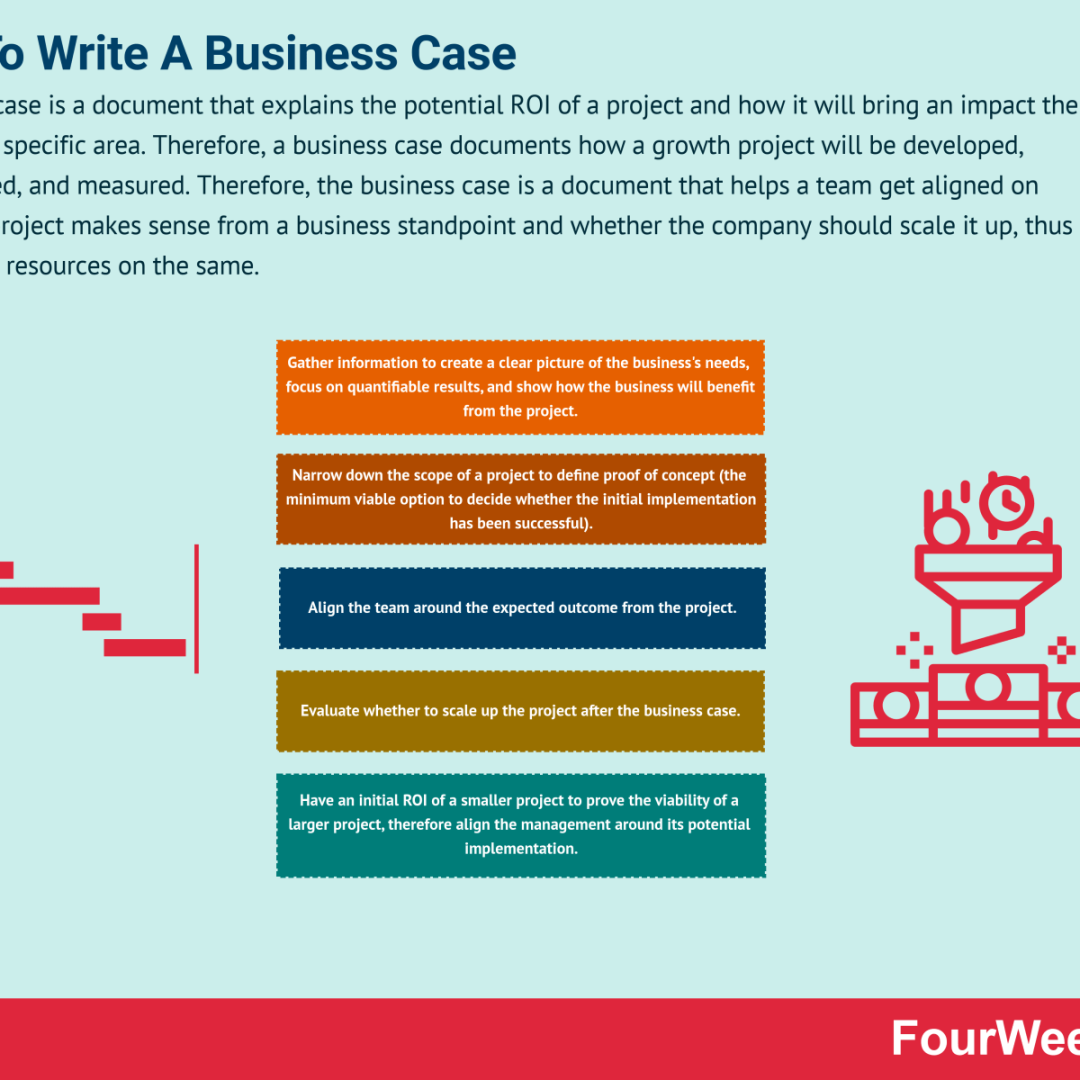
Image Source: i0.wp.com
4. Stakeholder Analysis:
Identifying and analyzing key stakeholders is a critical component of a business case. This section should outline the key individuals and groups who will be impacted by the proposed project. It should also detail their interests, concerns, and level of influence, as well as strategies for engaging and managing stakeholders throughout the project.
5. Solution Overview:
This section should provide a detailed overview of the proposed solution, including how it addresses the problem, why it is the best option, and how it aligns with the organization’s goals and objectives. It should also outline the key features and benefits of the solution, as well as any potential risks or challenges.
6. Financial Analysis:
A strong business case should include a thorough financial analysis that outlines the costs and benefits of the proposed project. This section should include a detailed budget, revenue projections, cost savings, and return on investment calculations. It should also consider potential risks and uncertainties that could impact the financial viability of the project.
7. Risk Assessment:
Identifying and assessing risks is an important component of a business case. This section should outline the potential risks and uncertainties associated with the proposed project, as well as strategies for mitigating or managing these risks. It should also consider the impact of external factors, such as market conditions or regulatory changes, on the project’s success.
8. Implementation Plan:
A detailed implementation plan is essential for ensuring the successful execution of the proposed project. This section should outline the key activities, milestones, and timelines for the project, as well as the resources and responsibilities required. It should also consider any potential challenges or barriers to implementation and strategies for overcoming them.
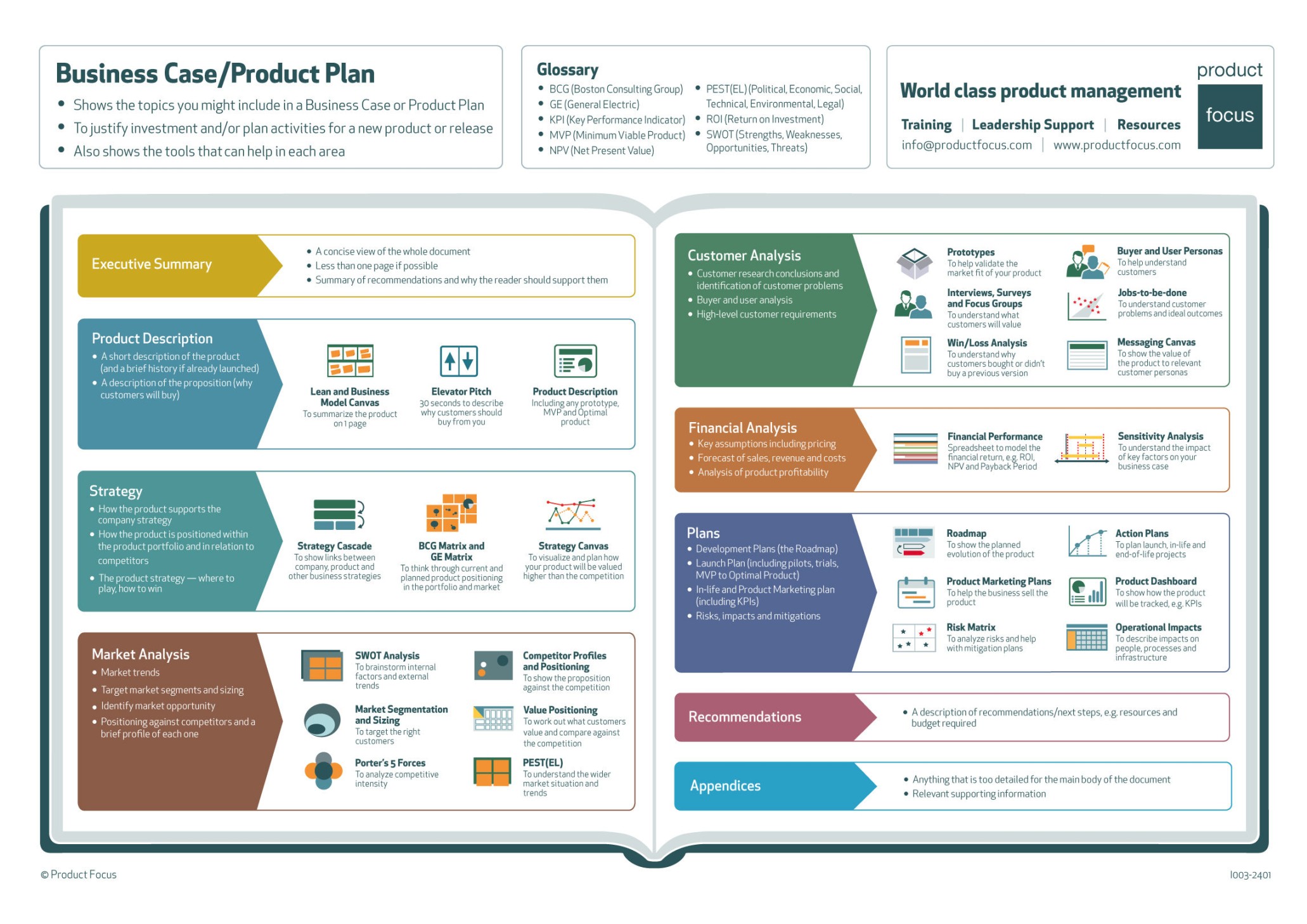
Image Source: productfocus.com
In conclusion, building a strong business case requires careful consideration of all these key components. By outlining the problem, setting clear objectives, analyzing stakeholders, proposing a viable solution, conducting a thorough financial analysis, assessing risks, and developing an implementation plan, you can create a compelling business case that will persuade stakeholders and decision-makers to support your project.
Creating a Winning Business Case: Must-Haves
When it comes to presenting a business case that will get the attention of decision-makers and stakeholders, it is essential to include certain key elements that will make your case stand out and be compelling. Crafting a winning business case requires careful planning and attention to detail, but with the right ingredients, you can create a persuasive argument that will help you achieve your goals.
One of the most important things to include in a winning business case is a clear and concise executive summary. This section should provide a brief overview of the key points of your case, including the problem you are addressing, your proposed solution, and the potential benefits of implementing that solution. The executive summary should be engaging and easy to read, drawing the reader in and making them want to learn more about your proposal.
Another crucial element to include in a winning business case is a detailed analysis of the problem or opportunity you are addressing. This analysis should clearly outline the current state of affairs, the challenges that exist, and the potential risks of not taking action. By providing a thorough understanding of the situation, you can demonstrate the urgency and importance of your proposal.
In addition to the problem analysis, it is also essential to include a comprehensive assessment of the proposed solution. This section should outline the specific steps that will be taken to address the problem, as well as the expected outcomes and benefits of implementing the solution. By clearly articulating how your proposal will solve the problem at hand, you can build credibility and show that you have thought through all aspects of the project.
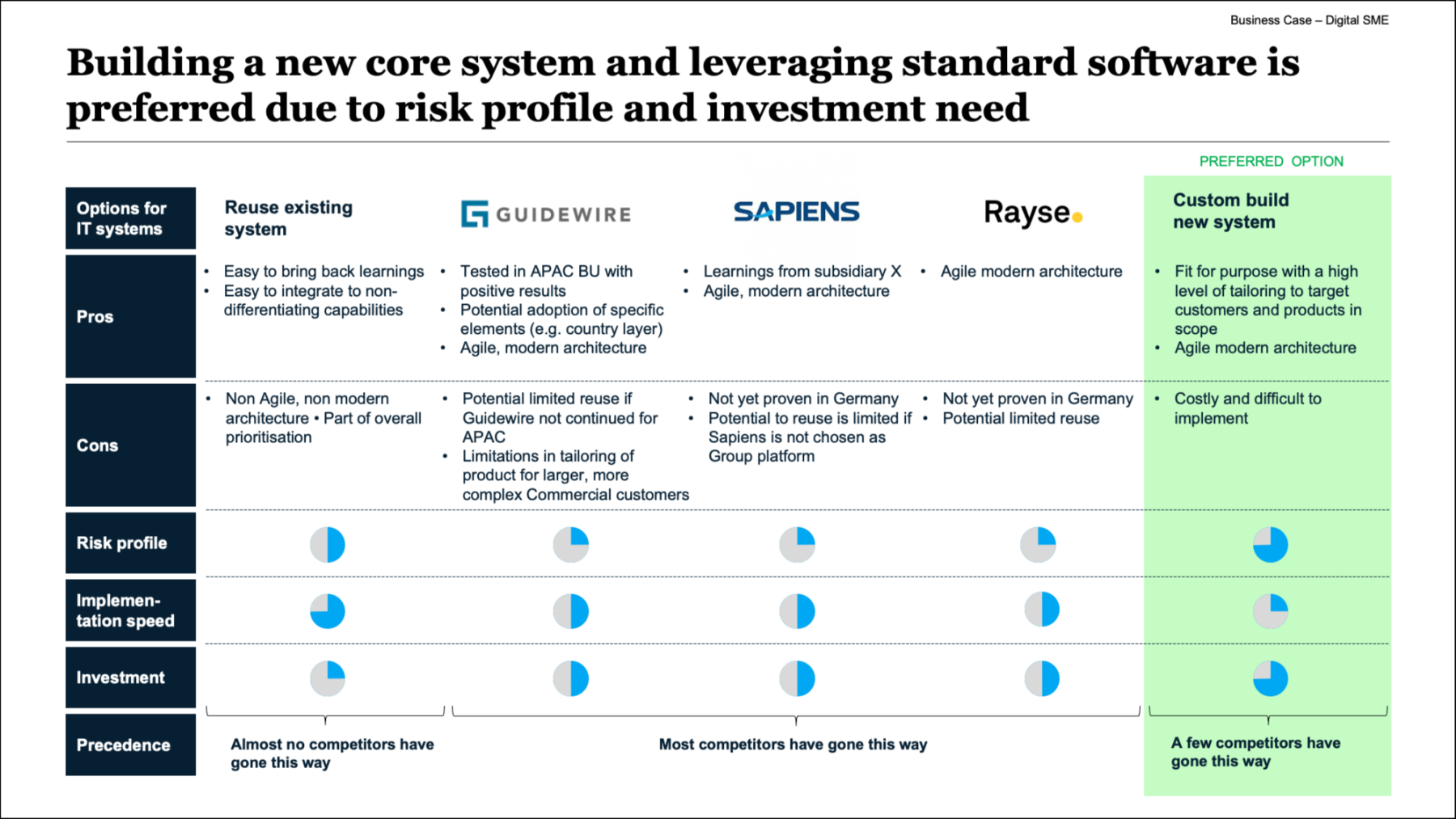
Image Source: amazonaws.com
Another key component of a winning business case is a detailed cost-benefit analysis. This analysis should outline the costs associated with implementing the proposed solution, as well as the potential savings or revenue that could be generated as a result. By providing a clear financial picture of the project, you can demonstrate the return on investment and justify the resources needed to move forward.
In addition to the financial analysis, it is also important to include a risk assessment in your business case. This section should outline any potential obstacles or challenges that could impact the success of the project, as well as strategies for mitigating those risks. By acknowledging potential pitfalls and showing that you have a plan in place to address them, you can build confidence in your proposal and show that you are prepared for any eventuality.
Finally, a winning business case should include a compelling argument for why your proposal is the best course of action. This section should highlight the unique selling points of your solution, such as its innovation, efficiency, or potential for growth. By clearly articulating the benefits of your proposal and demonstrating why it is superior to other options, you can make a strong case for why your project should be approved.
In conclusion, creating a winning business case requires careful planning and attention to detail. By including a clear executive summary, a thorough problem analysis, a detailed solution assessment, a comprehensive cost-benefit analysis, a risk assessment, and a compelling argument for your proposal, you can create a persuasive argument that will help you achieve your objectives. With these key elements in place, you can craft a winning business case that will impress decision-makers and stakeholders and help you secure the resources needed to move your project forward.