Safeguarding Consumers: The Impact on Business
The Consumer Protection Act is a vital piece of legislation that aims to safeguard consumers from unfair business practices and ensure that their rights are protected. But what does this mean for businesses? How does this act impact the way they operate and conduct their business?
One of the key areas of business that is affected by the Consumer Protection Act is marketing and advertising. Businesses are now required to be more transparent and honest in their marketing efforts, ensuring that they do not mislead consumers with false or deceptive advertising. This means that businesses must carefully review their marketing materials and make sure that they are not making any false claims or promises.
In addition, the act also requires businesses to provide clear and accurate information about their products and services. This includes pricing, warranties, and any other relevant information that consumers need to make an informed decision. Businesses must ensure that all information provided to consumers is truthful and not misleading in any way.
Another key area affected by the Consumer Protection Act is customer service. Businesses are now required to provide a high level of customer service and address any consumer complaints or issues in a timely and efficient manner. This means that businesses must have proper procedures in place for handling customer complaints and ensuring that they are resolved to the satisfaction of the consumer.
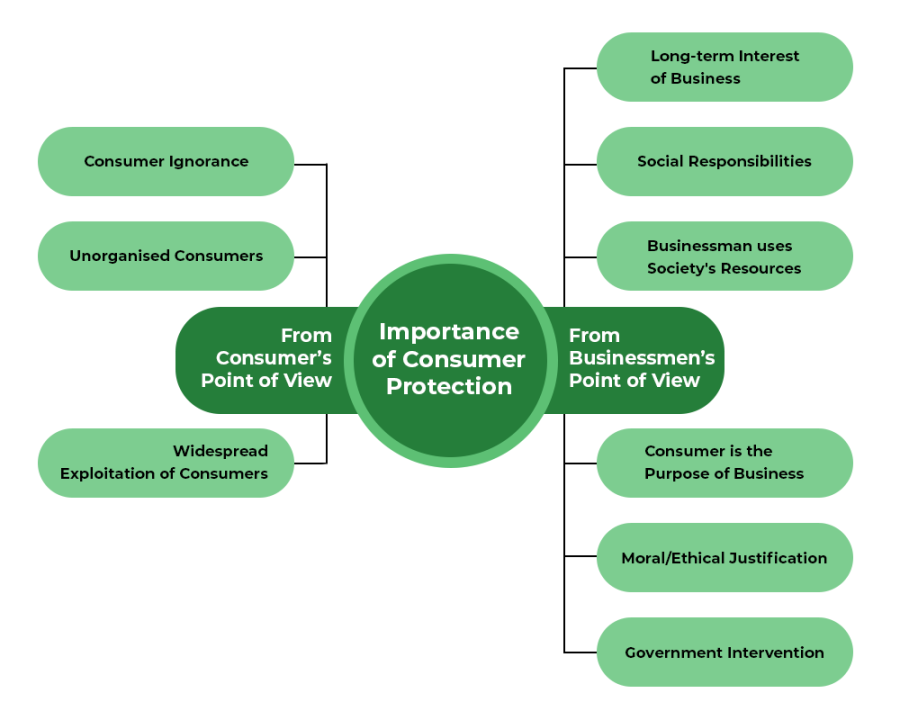
Image Source: geeksforgeeks.org
The act also impacts product safety and quality standards. Businesses are now required to ensure that their products meet certain safety and quality standards and that they do not pose any harm to consumers. This means that businesses must carefully test their products and ensure that they meet all relevant regulations and guidelines.
Overall, the Consumer Protection Act has a significant impact on businesses and how they operate. It requires businesses to be more transparent and honest in their dealings with consumers, and to ensure that they are providing a high level of customer service and quality products. By complying with the provisions of the act, businesses can build trust with consumers and create a positive reputation for their brand.
Navigating Compliance: How it Shapes Business Operations
When it comes to running a successful business, compliance with regulations and laws is a key component that cannot be overlooked. The Consumer Protection Act plays a significant role in shaping business operations by setting out rules and guidelines that must be followed to ensure the protection of consumers. Navigating compliance with this act is essential for businesses to thrive in today’s competitive market.
One of the key areas of business affected by the Consumer Protection Act is marketing and advertising. Businesses must ensure that their marketing efforts are truthful and transparent, and that they do not engage in any deceptive practices that could mislead consumers. This includes providing accurate information about products and services, as well as clearly stating any terms and conditions that may apply.
Another important aspect of compliance with the Consumer Protection Act is in the area of product safety. Businesses are required to ensure that the products they sell are safe for consumers to use, and that they meet all relevant safety standards and regulations. This includes conducting thorough testing and quality control measures to prevent any harm or injury to consumers.
Compliance with the act also extends to customer service and complaints handling. Businesses must have effective systems in place to address customer complaints and queries in a timely and efficient manner. This includes providing clear information about how customers can contact the business with any concerns, as well as resolving any issues that may arise in a fair and satisfactory manner.
In addition, the Consumer Protection Act has a significant impact on pricing and sales practices. Businesses must ensure that their pricing is fair and transparent, and that they do not engage in any misleading pricing tactics that could deceive consumers. This includes clearly displaying prices, discounts, and any additional charges that may apply.
Furthermore, compliance with the act also affects business operations in terms of data protection and privacy. Businesses are required to protect the personal information of their customers and ensure that it is used appropriately and securely. This includes obtaining consent from customers before collecting any personal data, as well as implementing measures to prevent unauthorized access or disclosure of information.
Overall, navigating compliance with the Consumer Protection Act is crucial for businesses to maintain trust and credibility with consumers. By following the rules and guidelines set out in the act, businesses can ensure that they operate ethically and responsibly, and that they prioritize the well-being and satisfaction of their customers. In today’s fast-paced and competitive business environment, compliance with regulations such as the Consumer Protection Act is essential for long-term success and sustainability.