Unveiling the Secrets: Business License vs. EIN
When starting a business, there are many important steps to take in order to ensure that you are operating legally and smoothly. Two key components of this process are obtaining a business license and an Employer Identification Number (EIN). While they may sound similar, these two documents serve very different purposes and it’s crucial to understand the distinctions between them.
Let’s start by breaking down what each of these documents actually is. A business license is a permit issued by the government that allows individuals or companies to operate a business within a specific jurisdiction. This license essentially gives you the legal right to conduct business in that area. On the other hand, an EIN is a unique nine-digit number assigned by the IRS to identify a business entity for tax purposes. Think of it as a social security number for your business.
One of the key differences between a business license and an EIN is their primary functions. A business license is required in order to legally operate a business in a specific location. Without a business license, you could face fines or even be shut down by authorities. On the other hand, an EIN is mainly used for tax purposes, such as filing taxes, hiring employees, and opening a business bank account. While both documents are essential for running a business, they serve different purposes and should not be confused with one another.
Another important distinction between a business license and an EIN is the process of obtaining them. In order to get a business license, you typically need to apply with the local government or municipality where you plan to operate your business. The requirements for obtaining a business license can vary depending on the type of business you have and your location. It’s important to do thorough research to ensure that you are compliant with all regulations.

Image Source: scw.cloud
On the other hand, obtaining an EIN is a relatively straightforward process that can be done online through the IRS website. All you need to do is fill out an application form with basic information about your business and its structure. Once approved, you will receive your EIN immediately, allowing you to start using it for tax purposes right away. Unlike a business license, an EIN is a federal requirement for most businesses, regardless of their location.
In summary, while both a business license and an EIN are essential for running a business, they serve different purposes and should not be confused with one another. A business license is needed to legally operate a business in a specific location, while an EIN is used for tax purposes. By understanding the differences between these two documents and ensuring that you have both in place, you can set your business up for success and avoid any legal issues down the road. So, make sure to take the time to obtain both a business license and an EIN before launching your new venture.
Demystifying the Jargon: Your Guide to Licenses and EINs
When starting a business, there are a plethora of terms and acronyms that can often seem confusing and overwhelming. Two of these important terms are business licenses and Employer Identification Numbers (EINs). Understanding the difference between these two is crucial for any aspiring business owner. Let’s delve into the world of licenses and EINs to shed some light on these essential components of business ownership.
A business license is a permit issued by a government agency that allows individuals or companies to operate within a specific jurisdiction. This license serves as proof that a business is legally allowed to conduct operations in a particular location. Business licenses can vary depending on the type of business and its location. They may be required at the federal, state, county, or local level, and failure to obtain the necessary licenses can result in fines or even the closure of the business.
On the other hand, an EIN is a unique nine-digit number assigned by the Internal Revenue Service (IRS) to identify a business entity. Also known as a Federal Tax Identification Number, an EIN is used for tax purposes, such as filing tax returns, applying for business loans, and hiring employees. Just as a Social Security Number is used to identify individuals, an EIN is used to identify businesses.
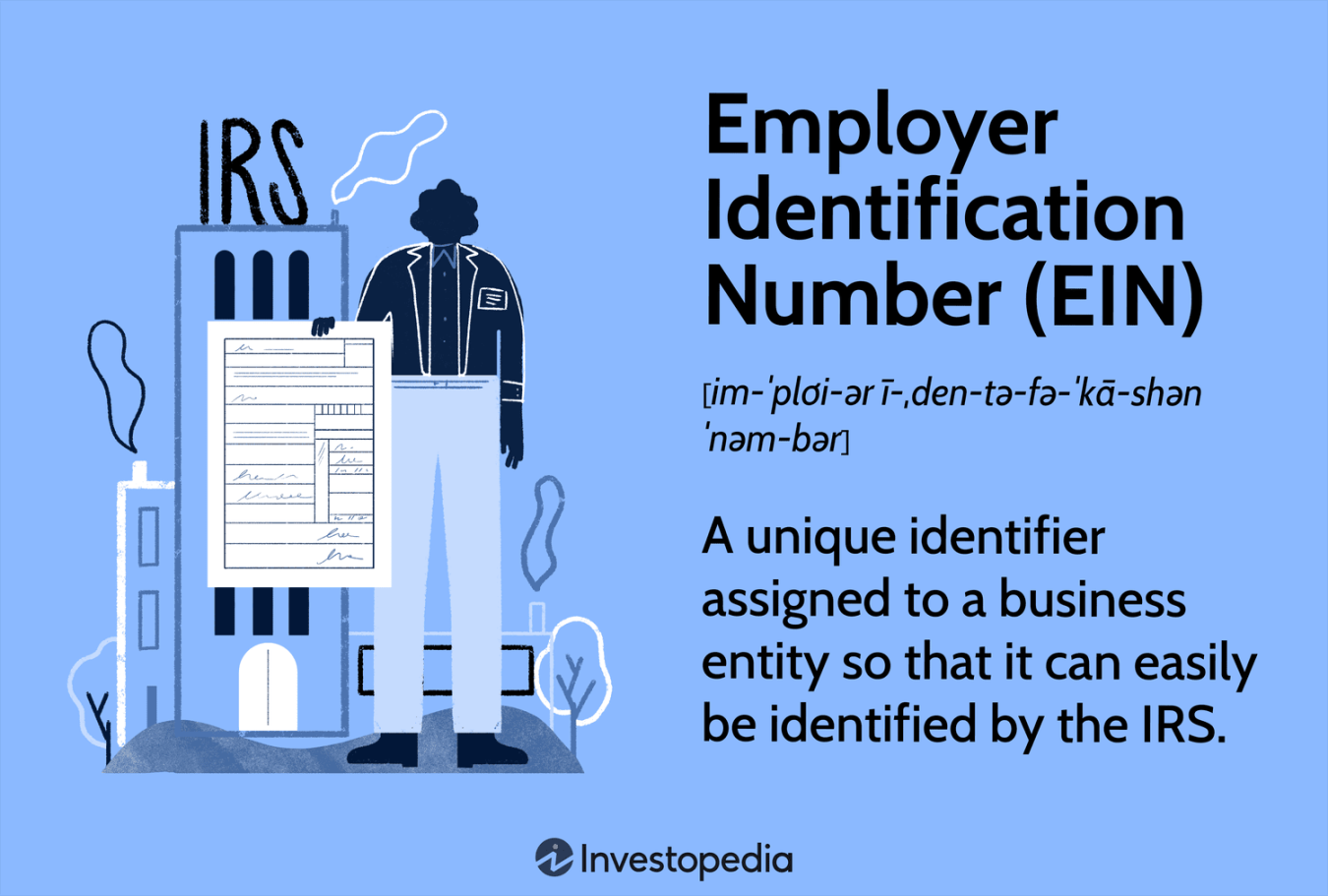
Image Source: investopedia.com
One of the key differences between a business license and an EIN is their respective purposes. While a business license is primarily concerned with legal authorization to operate, an EIN is focused on tax matters. A business license is necessary to conduct business legally, while an EIN is necessary for tax reporting and compliance.
Another important distinction is the process of obtaining a business license versus an EIN. To obtain a business license, one typically needs to apply with the relevant government agency and pay a fee. The requirements for obtaining a business license can vary widely depending on the type of business and its location. In contrast, applying for an EIN is a relatively straightforward process that can be done online through the IRS website. There is no fee to obtain an EIN, and it can be obtained quickly and easily.
It’s important to note that while a business license is required for most businesses, not all businesses need an EIN. Sole proprietors who do not have employees and operate under their own name can use their Social Security Number for tax purposes and do not need an EIN. However, businesses with employees or those that operate as a partnership or corporation are required to have an EIN.
In summary, business licenses and EINs are both essential components of running a business, but they serve different purposes. A business license is necessary for legal authorization to operate, while an EIN is used for tax reporting and compliance. Understanding the difference between these two and ensuring that you have the necessary licenses and numbers in place is crucial for the success of your business. So don’t let the jargon confuse you – now that you have this guide, you’re well on your way to navigating the world of licenses and EINs with confidence.