Revamping Waste Management: A Brighter Future Ahead
In today’s world, waste management has become a pressing issue that requires immediate attention. With the ever-increasing population and industrialization, the amount of waste being generated is reaching alarming levels. However, amidst all the chaos and pollution, there is a glimmer of hope for a cleaner tomorrow – the revamping of waste management systems.
Gone are the days when waste management simply meant collecting garbage and dumping it in landfills. The modern world demands more efficient and sustainable solutions to tackle the growing waste problem. This is where revamping waste management comes into play. By adopting innovative technologies and strategies, waste management companies can pave the way for a brighter future ahead.
One of the key aspects of revamping waste management is the implementation of recycling programs. Instead of treating all waste as trash, recycling allows us to convert waste materials into new products, reducing the strain on natural resources and minimizing environmental impact. Recycling not only conserves energy and reduces greenhouse gas emissions but also creates new job opportunities and stimulates economic growth.
Furthermore, revamping waste management involves the adoption of advanced waste treatment technologies. These technologies, such as composting, anaerobic digestion, and waste-to-energy processes, help in converting organic waste into valuable resources like fertilizer and renewable energy. By utilizing these technologies, waste management companies can significantly reduce the volume of waste sent to landfills and incinerators, paving the way for a cleaner and greener tomorrow.
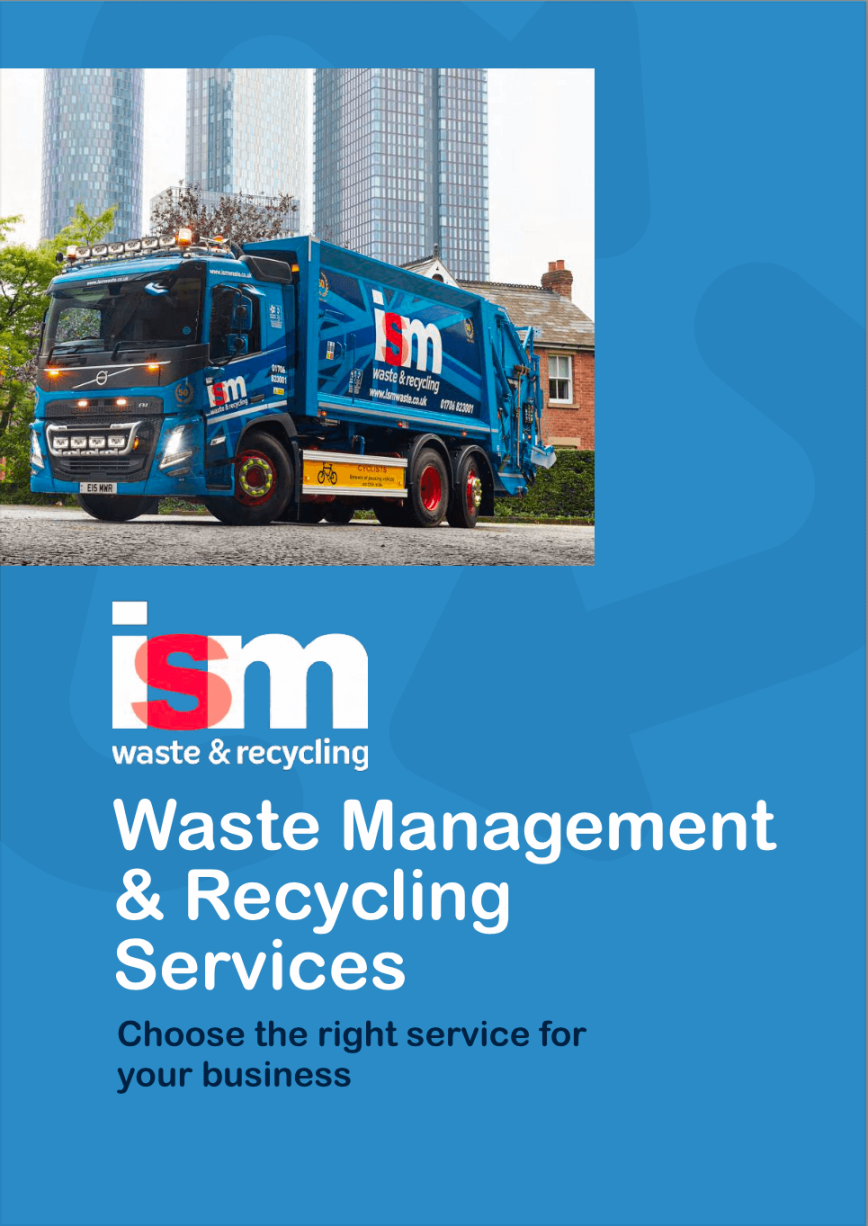
Image Source: ismwaste.co.uk
Another important aspect of revamping waste management is the promotion of waste reduction and source separation. By encouraging individuals and businesses to minimize waste generation and segregate recyclable materials at the source, we can significantly reduce the burden on waste management systems. This not only streamlines the waste management process but also promotes a culture of sustainability and environmental consciousness.
In addition to technological advancements, revamping waste management also involves the implementation of smart waste collection systems. By leveraging data analytics, IoT devices, and automation, waste management companies can optimize collection routes, reduce fuel consumption, and enhance operational efficiency. These smart systems not only make waste collection more cost-effective but also minimize the environmental impact of transportation.
Moreover, revamping waste management also entails investing in public awareness campaigns and community engagement programs. By educating the public about the importance of proper waste disposal and recycling, we can foster a sense of responsibility towards the environment. Community clean-up drives, waste segregation workshops, and recycling awareness campaigns can go a long way in promoting sustainable waste management practices and building a cleaner future for generations to come.
In conclusion, revamping waste management is essential for creating a brighter future ahead. By embracing recycling, adopting advanced waste treatment technologies, promoting waste reduction, implementing smart waste collection systems, and engaging the community, we can pave the way for a cleaner and more sustainable tomorrow. Waste management companies play a crucial role in driving these initiatives and leading the way towards a greener future. Let’s join hands and work together towards a waste-free world!
Green Solutions for a Cleaner Tomorrow: Waste Management Made Easy
In today’s world, the issue of waste management has become more critical than ever before. With the increasing population and consumption rates, our planet is facing a waste crisis that needs immediate attention. However, there is hope on the horizon. Green solutions are emerging as efficient and sustainable ways to manage waste and pave the path for a cleaner tomorrow.
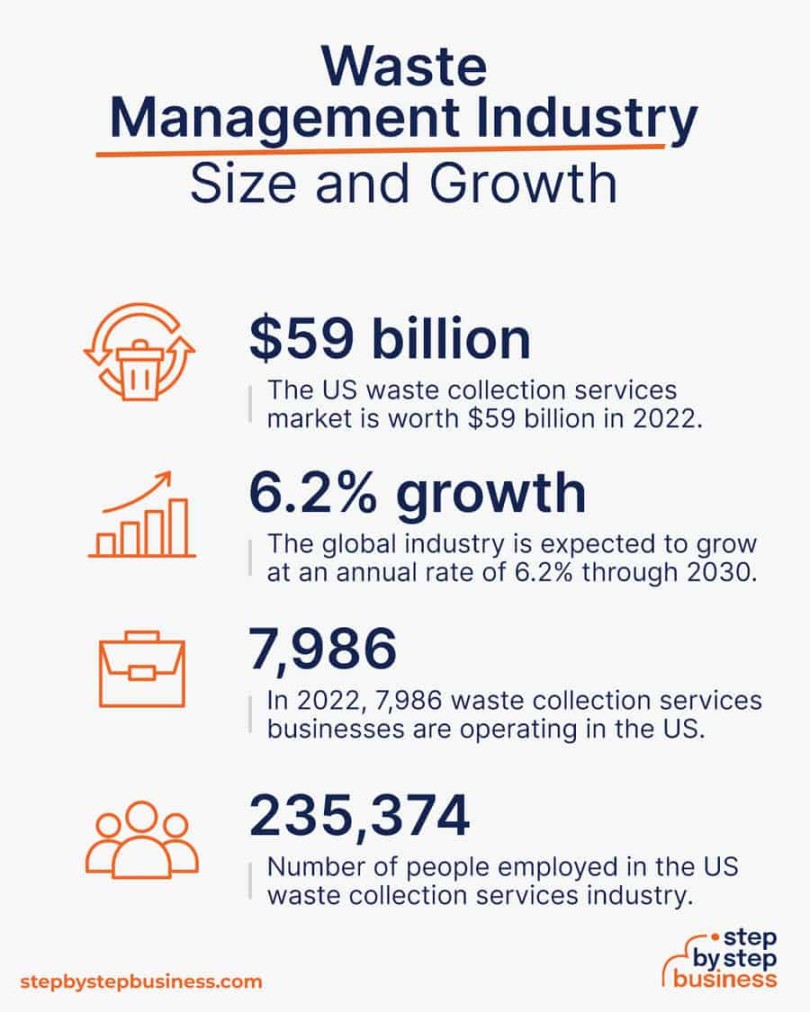
Image Source: stepbystepbusiness.com
One of the key components of green waste management is recycling. By recycling materials such as paper, plastic, glass, and metal, we can reduce the amount of waste that ends up in landfills and incinerators. Recycling not only conserves valuable resources but also reduces greenhouse gas emissions, helping to combat climate change. Companies specializing in recycling services play a crucial role in collecting, sorting, and processing recyclable materials, making it easier for individuals and businesses to participate in sustainable waste management practices.
Another green solution for waste management is composting. Instead of sending organic waste to landfills where it produces harmful methane gas, composting turns food scraps and yard waste into nutrient-rich soil that can be used to fertilize gardens and landscaping. Composting not only reduces the amount of waste going to landfills but also helps to create a closed-loop system where organic materials are recycled back into the earth, promoting a more sustainable and regenerative approach to waste management.
Furthermore, waste-to-energy technologies are also becoming increasingly popular as a green solution for waste management. These technologies convert non-recyclable waste into electricity, heat, or fuel, providing an alternative to fossil fuels and reducing the reliance on traditional energy sources. By harnessing the energy potential of waste, we can minimize the environmental impact of waste disposal and contribute to a cleaner and more sustainable future.
In addition to recycling, composting, and waste-to-energy technologies, another innovative green solution for waste management is the implementation of circular economy principles. The circular economy is a regenerative system where resources are kept in use for as long as possible, maximizing their value and minimizing waste. By designing products for longevity, reusability, and recyclability, businesses can reduce their environmental footprint and create a more sustainable waste management system.
Moreover, the adoption of sustainable packaging practices is also crucial for green waste management. Single-use plastics and excessive packaging contribute significantly to the global waste crisis, polluting our oceans and harming wildlife. By choosing eco-friendly packaging materials such as biodegradable plastics, paper, and cardboard, businesses can minimize their environmental impact and support the transition to a circular economy.
Overall, green solutions for waste management offer a promising outlook for a cleaner tomorrow. By embracing recycling, composting, waste-to-energy technologies, circular economy principles, and sustainable packaging practices, we can reduce waste, conserve resources, and protect the environment for future generations. It is essential for businesses, governments, and individuals to work together towards implementing these green solutions to create a more sustainable and efficient waste management system. Let’s join hands and make a positive impact on the planet by adopting green practices in our daily lives.