



The Importance of Proper Ventilation: A Breath of Fresh Air for Your Home and Your Renters Insurance
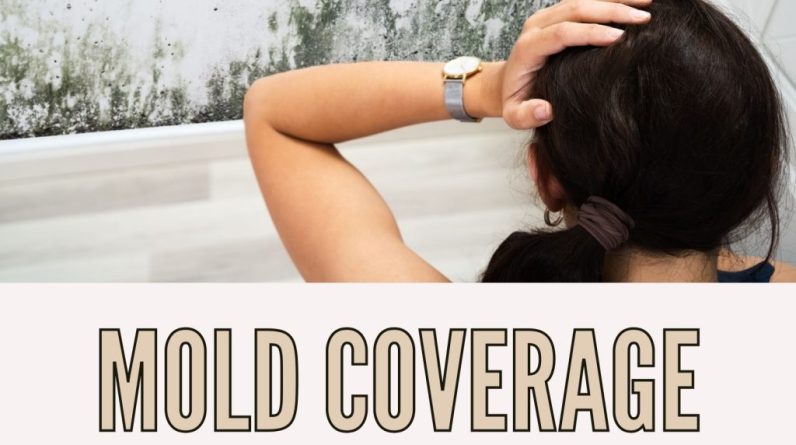
Mold. Just the word conjures up images of slimy green growths, musty odors, and potential health hazards. But did you know that proper ventilation can be your secret weapon in the fight against this unwelcome guest?
Let’s dive into why good airflow is crucial, not just for your peace of mind but also for your renters insurance coverage.
Understanding Mold’s Favorite Hiding Spots
Mold thrives in damp, dark, and poorly ventilated environments. Think of it as a mischievous creature seeking out cozy corners where it can flourish undisturbed. Some of its favorite haunts include:
Bathrooms: High humidity from showers and baths creates the perfect breeding ground for mold.
- Kitchens: Cooking, dishwashing, and even simple condensation from the refrigerator can provide the moisture mold craves.
- Basements: Often dark and damp, basements are prime real estate for mold colonies.
- Attics: While they might seem dry, attics can experience significant temperature fluctuations, leading to condensation and mold growth.
- Around windows and doors: Leaky windows and doors allow moisture to seep in, creating ideal conditions for mold.
The Role of Ventilation in Mold Prevention
Proper ventilation acts as a powerful deterrent against mold growth. Here’s how:
Reduces Humidity: By circulating fresh air and removing stale, moisture-laden air, ventilation helps to lower humidity levels in your home. This makes it much harder for mold spores to germinate and grow.
- Dries Out Damp Areas: After showers, cooking, or any activity that generates moisture, ventilation quickly dries out surfaces, preventing them from becoming breeding grounds for mold.
- Prevents Condensation: Good airflow helps to prevent condensation from forming on windows, walls, and other surfaces. Condensation provides the perfect source of moisture for mold to thrive.
Ventilation Solutions for Every Home
There are many ways to improve ventilation in your rental property:
Open Windows and Doors: This classic method is simple and effective. Regularly open windows and doors to allow fresh air to circulate throughout your home.
- Use Exhaust Fans: Install and use exhaust fans in bathrooms, kitchens, and laundry rooms to remove moisture-laden air.
- Invest in a Whole-House Ventilation System: For more effective ventilation, consider installing a whole-house ventilation system. These systems continuously circulate fresh air throughout your home.
- Dehumidifiers: In areas with high humidity, consider using a dehumidifier to remove excess moisture from the air.
The Link Between Ventilation and Renters Insurance
Now, here’s where renters insurance comes into play. While most standard renters insurance policies cover mold damage, there are some important nuances:
Coverage for Sudden and Accidental Mold: Renters insurance typically covers mold damage that arises from a sudden and accidental event, such as a burst pipe or a severe storm.
- Prevention is Key: Renters insurance policies often emphasize the importance of preventative measures. By taking steps to prevent mold growth, such as proper ventilation, you’re not only protecting your health but also demonstrating to your insurance company that you’re a responsible tenant.
- Exclusions: Some renters insurance policies may exclude coverage for mold damage that results from ongoing negligence or a failure to maintain the property. This is where proper ventilation plays a crucial role. By ensuring adequate airflow, you’re actively demonstrating your commitment to maintaining the property and reducing the risk of mold-related issues.
In Conclusion:
Proper ventilation is not just about creating a more comfortable and healthier living environment; it’s also about protecting your investment in your renters insurance coverage. By taking simple steps to improve airflow in your rental property, you can significantly reduce the risk of mold growth and ensure that you’re adequately protected in case of unforeseen circumstances.
Remember, a little bit of preventative action goes a long way in keeping mold at bay and maintaining a healthy and happy home.
Please provide the list so I can write the specific article you need.
Mold: The Uninvited Guest
Mold. That fuzzy, sometimes slimy substance that seems to appear out of thin air. It’s the uninvited guest at many a home, and frankly, nobody wants to play host. But here’s the thing: mold isn’t just unsightly; it can pose serious health risks, from allergies and asthma to more severe respiratory issues. So, what happens when this unwelcome guest shows up in your rental property? Does your renters insurance have your back?
Understanding Renters Insurance: A Quick Primer
Before we delve into the moldy details, let’s quickly refresh our memory on what renters insurance actually covers. In essence, it’s a safety net designed to protect your personal belongings from various perils, including:
Fire and smoke damage: Whether it’s a kitchen fire or a neighbor’s careless cigarette, your belongings are covered.
- Theft: Burglary, robbery – renters insurance helps replace those precious possessions.
- Water damage: Leaky pipes, overflowing toilets, even sudden and accidental discharges from plumbing, heating, and air conditioning systems – these are usually covered.
- Personal liability: If someone gets injured on your property, renters insurance can help cover medical expenses and legal costs.
Mold: A Sticky Situation
Now, here’s where things get a bit murky. While renters insurance often covers water damage, it doesn’t always extend to the consequences of that damage, like mold.
Think of it this way: Let’s say a pipe bursts in your apartment. The water damage itself, the ruined carpet, the soaked furniture – those are likely covered. But the mold that starts growing in the damp corners and hidden crevices? That’s where things can get tricky.
The Fine Print: Decoding Your Policy
The key lies in the fine print of your renters insurance policy. Here are a few things to look out for:
“Perils Insured Against”: This section outlines the specific events your policy covers. If “mold” is explicitly listed, you’re in luck!
- “Exclusions”: This is where the devil often resides. Look for exclusions related to “gradual or continuous seepage,” “neglect,” or “lack of maintenance.” If the mold growth is attributed to any of these, your claim might be denied.
- “Coverage Limits”: Even if mold damage is covered, there’s usually a limit on how much your insurer will pay.
Proactive Steps: Prevention is Key
The best approach to dealing with mold is to prevent it from happening in the first place. Here are a few proactive steps you can take:
Regular Inspections: Keep a close eye on your apartment for any signs of moisture, such as damp spots, musty odors, or peeling paint.
- Promptly Address Leaks: If you notice any leaks, no matter how small, report them to your landlord immediately.
- Proper Ventilation: Ensure adequate ventilation in your bathroom and kitchen by using exhaust fans.
- Maintain a Dry Environment: Use dehumidifiers in damp areas and wipe down surfaces regularly to prevent moisture buildup.
What to Do if Mold Appears
If you discover mold in your rental unit, take these steps:
1. Document Everything: Take photos and videos of the mold growth.
2. Notify Your Landlord: Immediately inform your landlord about the issue.
3. Review Your Lease Agreement: Carefully review your lease agreement for any clauses related to mold remediation.
4. Contact Your Insurance Agent: Discuss your concerns with your insurance agent to determine the extent of your coverage.
A Word of Caution: DIY Mold Remediation Can Be Risky
While there are many DIY mold remediation products available, it’s crucial to proceed with caution. Improperly attempting to remove mold can spread spores and worsen the problem. In many cases, it’s best to leave mold remediation to professionals.
Navigating the Moldy Waters: A Collaborative Approach
Dealing with mold can be a frustrating experience, but it doesn’t have to be a battle. By understanding your renters insurance policy, taking proactive steps to prevent mold growth, and communicating effectively with your landlord, you can navigate the moldy waters and protect yourself and your belongings.
Remember: This information is for general guidance only and should not be considered legal or insurance advice. Always refer to your specific policy documents and consult with your insurance agent for personalized guidance.
