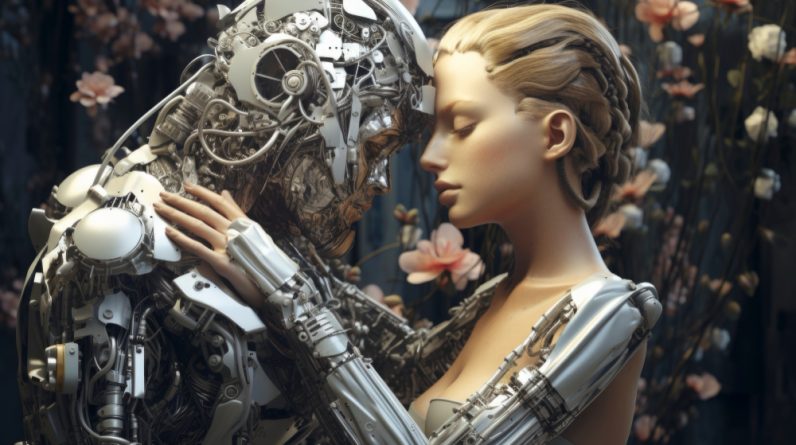
Artificial intelligence (AI) is at the forefront of innovation, sparking conversations across industries, academia, and daily life. Its profound impact on humanity raises exciting possibilities and critical concerns. In this article, we will explore some of the most thought-provoking questions about AI and its implications for the present and the future.
Introduction to Artificial Intelligence
What is Artificial Intelligence?
AI refers to computer systems designed to mimic human intelligence. This includes abilities like learning from data, recognizing patterns, problem-solving, and even understanding natural language. It powers tools like virtual assistants, recommendation algorithms, and autonomous vehicles.
Historical Context of AI
AI’s journey began in the 1950s, with Alan Turing’s groundbreaking work and the first AI programs. Early systems were rudimentary, limited to solving basic tasks. However, rapid advances in computing power and data accessibility have transformed AI into a cornerstone of modern technology.
Why AI is a Hot Topic Today
AI has moved from research labs to mainstream applications, influencing everything from healthcare to entertainment. The blend of machine learning, neural networks, and big data has unlocked unprecedented capabilities, sparking debates on its potential and risks.
General Questions About AI
How Does AI Impact Daily Life?
AI has become integral to our routines, enhancing convenience and efficiency. From voice-activated assistants like Alexa to smart home devices and personalized shopping recommendations, AI streamlines tasks we once handled manually.
What Are the Key Benefits of AI?
AI excels in automation, precision, and scalability. It enhances medical diagnostics, speeds up logistics, and improves customer service. For example, AI systems can analyze vast amounts of medical data to detect anomalies that might escape human eyes.
How Does AI Shape the Future?
AI promises advancements like self-driving cars, personalized medicine, and AI-driven climate solutions. Its integration into fields like robotics and quantum computing could redefine human capabilities in ways we have yet to imagine.
Ethical and Philosophical Questions
Should AI Have Rights?
As AI systems become more autonomous, some argue for granting them basic rights to prevent misuse. However, this idea raises questions about what constitutes “consciousness” and whether machines can experience feelings.
Can AI Ever Be Truly Conscious?
Consciousness in AI remains a philosophical debate. While AI can simulate intelligent behavior, its “awareness” is an illusion. But could future advancements create machines with self-awareness? That’s a question for scientists and ethicists alike.
What Are the Moral Limits of AI?
AI’s application in areas like warfare and surveillance raises ethical concerns. Should machines be allowed to make decisions that could harm humans? Establishing clear boundaries is critical to ensuring AI remains a tool for good.
AI and Employment
Will AI Replace Jobs?
AI automation is already replacing repetitive tasks in industries like manufacturing and customer support. While some fear widespread job losses, history shows that technological revolutions often create new roles.
How Can Workers Adapt to AI?
Continuous learning and upskilling are vital. Workers can focus on roles requiring human creativity, empathy, and strategic thinking—areas where AI still lags.
What Are New Opportunities Created by AI?
AI is creating fields like data science, AI ethics consulting, and augmented reality design. These emerging roles highlight the potential for AI to complement rather than replace human effort.
AI in Education and Learning
How Can AI Improve Learning Experiences?
AI enables personalized education by analyzing student performance and tailoring lessons to individual needs. Platforms like Duolingo and Coursera use AI to enhance engagement and outcomes.
Is AI a Threat to Traditional Education?
While AI offers efficiency, it may diminish critical thinking and face-to-face interaction. Striking a balance between AI tools and traditional methods is essential for holistic learning.
AI in the Global Landscape
How Do Different Countries Approach AI?
Countries differ in AI priorities. The U.S. leads in research and innovation, while China focuses on large-scale deployment and infrastructure. Europe emphasizes ethical AI, aiming to set global standards.
What Are the Impacts of AI on International Relations?
AI’s role in defense, cybersecurity, and economic competition is shaping geopolitics. Autonomous weaponry and surveillance technologies introduce new challenges for global stability.
Future of Artificial Intelligence
What Will AI Look Like in 50 Years?
AI may surpass human intelligence, leading to breakthroughs in space exploration, healthcare, and sustainable energy. However, such advancements require careful governance to prevent misuse.
How Should Humanity Prepare for Advanced AI?
Preparing for AI’s future involves creating robust legal frameworks, ensuring equitable access, and fostering global cooperation. Education systems must adapt to equip the next generation with skills for an AI-driven world.
Conclusion
Artificial intelligence is reshaping every aspect of our lives, from how we communicate to how we work. While it offers immense potential, it also raises profound ethical, social, and philosophical questions. By fostering open discussions and thoughtful planning, we can harness AI’s power responsibly, ensuring it serves humanity’s best interests.
FAQs
What Is the Role of AI in Healthcare?
AI improves diagnostics, treatment planning, and patient monitoring. Tools like AI-powered imaging and predictive analytics are revolutionizing medicine.
How Is AI Regulated?
AI regulations vary globally, focusing on transparency, accountability, and ethical practices. Efforts like the EU’s AI Act aim to standardize guidelines.
Can AI Replace Human Creativity?
AI can generate art, music, and writing but lacks the emotional depth and originality of human creators. It’s a tool, not a replacement.
How Secure Are AI Systems?
AI systems face risks like hacking and algorithmic bias. Implementing strong cybersecurity measures and regular audits can mitigate these vulnerabilities.
What Are the Environmental Impacts of AI?
AI systems consume significant energy, contributing to carbon emissions. However, AI also helps optimize energy use and develop sustainable technologies.