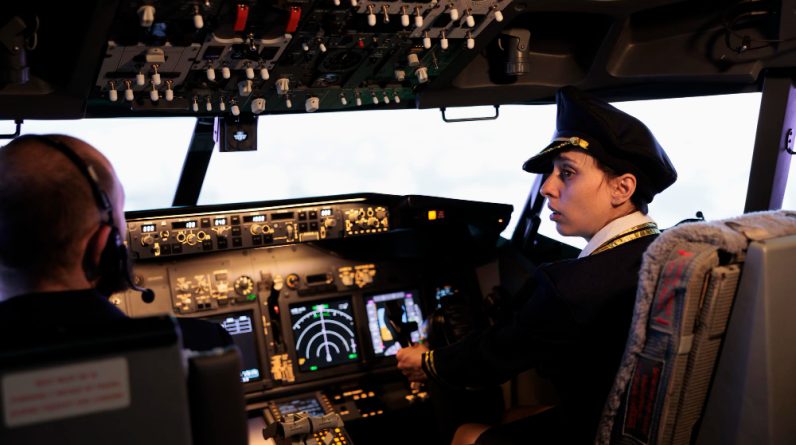
Becoming a commercial pilot is a dream for many, but it comes with a set of educational and training requirements that must be met. If you’re considering this career path, understanding the educational prerequisites will give you a clearer idea of what to expect on your journey.
What is a Commercial Pilot?
A commercial pilot is a highly trained aviation professional responsible for flying aircraft for business purposes, such as transporting passengers, cargo, or even conducting aerial tours. Unlike private pilots who fly for personal reasons, commercial pilots are paid for their services. The job comes with a higher level of responsibility and skill.
Why Are Educational Requirements Important for Commercial Pilots?
The educational requirements for commercial pilots ensure that they are adequately trained to handle the complexities and responsibilities of flying. They help pilots develop critical skills, such as decision-making, problem-solving, and situational awareness, while also ensuring compliance with strict safety standards and regulations.
Basic Educational Requirements
To begin your journey toward becoming a commercial pilot, you need to meet certain educational criteria:
- High School Education
A high school diploma or equivalent is the baseline requirement for aspiring commercial pilots. Strong knowledge in subjects like mathematics, physics, and English is crucial because these subjects provide a foundation for flight training and understanding aviation concepts. - College or University Degree
While a college degree is not mandatory to become a commercial pilot, many airlines and flight schools prefer candidates with at least an associate’s or bachelor’s degree. This is especially true if you’re planning to apply for competitive airline positions. A degree in aviation, aerospace engineering, or a related field can be beneficial, though not required.
Flight School: The Core of Pilot Training
The heart of becoming a commercial pilot is flight school, where you receive the hands-on training required to master the skills needed for flying. Flight school involves both ground school (classroom-based education) and actual flight training.
- What is Flight School?
Flight school provides specialized education that covers everything from flight theory to emergency procedures and navigation techniques. It also prepares you for various certifications and licenses needed to become a commercial pilot. - Types of Flight Schools
There are two main types of flight schools: Part 61 and Part 141 schools. Part 141 schools follow a more structured curriculum and are often preferred by those seeking to become commercial pilots, as they typically offer a more comprehensive training experience. - Choosing the Right Flight School
Choosing the right flight school is crucial to your success. Consider factors such as the school’s reputation, the cost of training, the types of aircraft used, and the experience of the instructors.
Private Pilot License (PPL)
Before you can earn a commercial pilot license (CPL), you must first obtain a private pilot license (PPL).
- Overview of the PPL
The PPL is the first step in a pilot’s career, allowing you to fly for personal reasons. It involves both written exams and practical flight tests. - Minimum Requirements for Obtaining PPL
To earn a PPL, you need at least 40 flight hours, including 20 hours of flight instruction and 10 hours of solo flight. You’ll also need to pass a medical exam and a written knowledge test.
Commercial Pilot License (CPL)
Once you have your PPL, the next step is to obtain your commercial pilot license (CPL).
- Steps to Obtain a CPL
To earn a CPL, you must accumulate a minimum of 250 flight hours, which include both solo and instructed hours. You must also pass a written exam and a check ride with an examiner. - Requirements for the CPL Exam
The written exam tests your knowledge of flight theory, regulations, and aviation practices. The check ride involves demonstrating your flying skills in real-time under the supervision of an examiner. - The Role of Flight Hours
Accumulating flight hours is essential for obtaining your CPL and gaining experience as a pilot. Many aspiring commercial pilots work as flight instructors or in other entry-level aviation roles to log these hours.
Additional Qualifications and Certifications
In addition to the PPL and CPL, several other certifications may be necessary depending on your desired career path:
- Instrument Rating
An instrument rating allows you to fly in various weather conditions using instruments rather than visual cues. - Multi-Engine Rating
This certification is necessary if you plan to fly aircraft with more than one engine, which is common for commercial pilots. - Type Rating
Type ratings are required for specific aircraft models and are often a necessity for airline pilots.
Medical Requirements for Commercial Pilots
Commercial pilots must meet specific medical standards to ensure their ability to safely operate an aircraft.
- Medical Examinations and Classes
Pilots must undergo medical examinations conducted by an FAA-approved aviation medical examiner. There are three classes of medical certificates, and pilots are typically required to obtain at least a second-class certificate. - The Importance of Physical and Mental Health
Your health is critical in ensuring you’re fit to fly. Good vision, hearing, and overall physical fitness are essential, as well as mental health to cope with the stresses of flying.
Educational Path for Becoming a Commercial Pilot
Here’s a general overview of the educational path to becoming a commercial pilot:
- Obtain a high school diploma.
- Attend college (optional but preferred).
- Enroll in flight school.
- Obtain a Private Pilot License.
- Accumulate flight hours.
- Obtain a Commercial Pilot License.
- Gain additional ratings and certifications.
Cost of Education and Training for Commercial Pilots
Becoming a commercial pilot is a significant financial investment. The cost of flight training can range from $50,000 to $100,000 or more, depending on the flight school and location. However, scholarships, loans, and other financial aid options can help alleviate the financial burden.
Alternative Pathways for Aspiring Commercial Pilots
Some pilots choose alternative pathways to gain experience and training:
- Military Pilot Training
The military offers comprehensive pilot training, often covering the cost of education in exchange for service. - Airline Cadet Programs
Some airlines offer cadet programs, where they sponsor the training of aspiring pilots with the promise of a job upon completion.
Career Opportunities for Commercial Pilots
Upon obtaining your commercial pilot license, various career paths are available, including:
- Airlines
Many commercial pilots work for regional or major airlines. - Private Charter Companies
Charter companies hire pilots to fly small aircraft for clients. - Cargo Pilots
Cargo pilots are employed to fly freight and goods across long distances.
Challenges Faced by Aspiring Commercial Pilots
Becoming a commercial pilot can be challenging, especially when it comes to the competitive nature of the industry and the balancing act between accumulating flight hours and completing education.
Conclusion
Becoming a commercial pilot requires dedication, time, and financial investment. The educational requirements play a critical role in ensuring pilots are well-prepared for the responsibilities they will face. By following the outlined steps, aspiring pilots can navigate their way toward a successful and rewarding career in aviation.
FAQs
- How long does it take to become a commercial pilot? It typically takes 2-4 years, depending on the route you take for training.
- What is the cost of becoming a commercial pilot? The cost can range from $50,000 to $100,000, depending on the school and location.
- Do I need a college degree to become a commercial pilot? While a degree is not mandatory, it is preferred by many airlines.
- Can I become a commercial pilot without flight school? No, flight school is essential for obtaining the required certifications.
- Are there any scholarships available for pilot training? Yes, there are several scholarships and financial aid options available for aspiring pilots.