Introduction
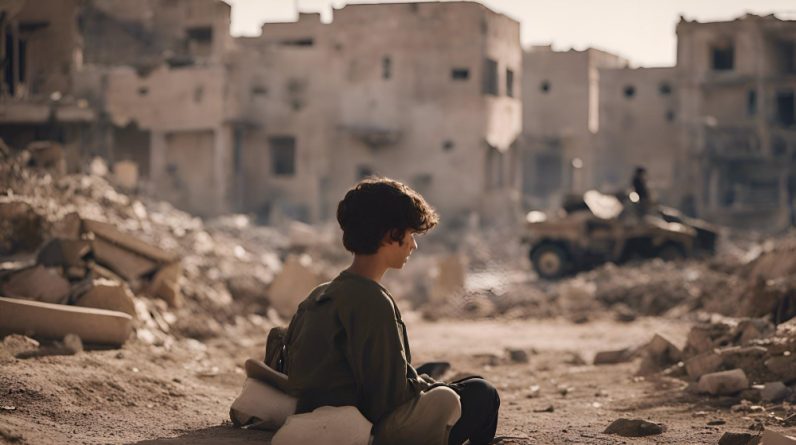
War changes everything—economies crumble, societies fracture, and education systems often fall apart. During wartime, schools are bombed, teachers are displaced, and children are forced to abandon their education. But what happens once the war is over? How do nations pick up the pieces and ensure that their young generation can learn again? In this article, we’ll explore the profound effects of war on education and the incredible efforts made to rebuild and modernize schooling systems in the aftermath.
The Immediate Aftermath of War on Education
Destruction of Educational Infrastructure
One of the most visible impacts of war is the destruction of schools, libraries, and universities. Bombings and military occupations often leave these institutions in ruins. In some areas, entire towns were left without a single functioning school. The physical devastation posed a significant challenge to education systems attempting to recover.
Displacement of Teachers and Students
Wars displace millions of people, and educators are no exception. Many teachers were killed, imprisoned, or forced to flee, leaving schools with a severe shortage of qualified professionals. Meanwhile, countless children became refugees, interrupting their education and sometimes missing out on years of schooling.
Economic Challenges
Rebuilding a country after war is expensive, and education often takes a backseat to other urgent needs like healthcare and infrastructure. Funding shortages delayed the reopening of schools, and many families could not afford to send their children back to school, even when it was available.
Efforts to Rebuild Education
Reconstructing Physical Infrastructure
Rebuilding schools became a priority for governments and international organizations. Countries allocated budgets to reconstruct classrooms, libraries, and laboratories. Organizations like UNICEF provided emergency educational kits to create makeshift learning environments while permanent structures were being rebuilt.
Retraining Teachers
To address the shortage of educators, governments launched programs to retrain and recruit teachers. In many cases, volunteers and community leaders stepped in to fill the gap temporarily. Retraining also focused on modernizing teaching methods to suit the changing needs of post-war societies.
Restoring Access to Education
Policies were implemented to ensure children could return to school. Special attention was given to girls and children from marginalized communities, who were often the most affected. Some countries introduced free or subsidized education to encourage enrollment.
The Role of International Organizations
UNICEF and UNESCO Initiatives
UNICEF and UNESCO played crucial roles in the recovery of education systems. These organizations provided funding, resources, and expertise to rebuild schools, train teachers, and supply educational materials in war-torn regions.
The Marshall Plan
In Europe, the Marshall Plan included provisions for education as part of its broader economic recovery efforts. This funding helped rebuild schools and create new opportunities for education, laying the foundation for modern public schooling systems.
Innovations in Post-War Education
Modernizing Curriculums
After the war, there was a strong push to update curriculums to include more emphasis on science, technology, and humanities. The goal was to prepare students for the challenges of a rapidly changing world.
Establishment of Public Education Systems
The concept of free and compulsory education gained traction after the war. Many nations introduced laws to ensure that all children had access to basic education, regardless of their socioeconomic status.
Education as a Tool for Peace
Recognizing the role education could play in preventing future conflicts, schools began to focus on teaching tolerance, peace, and global citizenship. These efforts aimed to build more cohesive and understanding societies.
Long-Term Impacts on Education
Growth in Enrollment Rates
One of the most significant outcomes of post-war efforts was a dramatic increase in school enrollment rates. More children than ever before gained access to primary and secondary education.
Expansion of Higher Education
Higher education also experienced a boom as governments invested in universities and vocational training programs. This expansion helped create a skilled workforce essential for rebuilding economies.
The Education Gap
Despite these successes, not all regions recovered equally. Underdeveloped areas continued to struggle with limited resources and access to quality education, highlighting the persistent global education gap.
Conclusion
The end of war marks the beginning of a long and challenging journey to rebuild education systems. Despite the destruction and setbacks, the resilience of nations and the support of global organizations have proven that education can bounce back stronger than before. By investing in schools, teachers, and students, post-war societies have not only rebuilt their education systems but have also created a foundation for peace and progress.
FAQs
- Why was education severely impacted by war?
War often destroys schools, displaces teachers and students, and redirects funding away from education to military efforts or reconstruction. - How did governments rebuild schools after the war?
Governments prioritized rebuilding schools through funding, international aid, and community efforts to reconstruct physical and institutional infrastructure. - What role did international organizations play in post-war education recovery?
Organizations like UNICEF and UNESCO provided resources, expertise, and funding to help war-torn regions restore their education systems. - How did education evolve in the decades following the war?
Post-war education emphasized modernization, expanded access, and a focus on peace and tolerance, leading to higher enrollment rates and the growth of public education systems. - What lessons can modern societies learn from post-war educational reforms?
Investing in education during recovery fosters long-term peace, economic growth, and social cohesion, proving that rebuilding education is as crucial as rebuilding infrastructure.