introduction
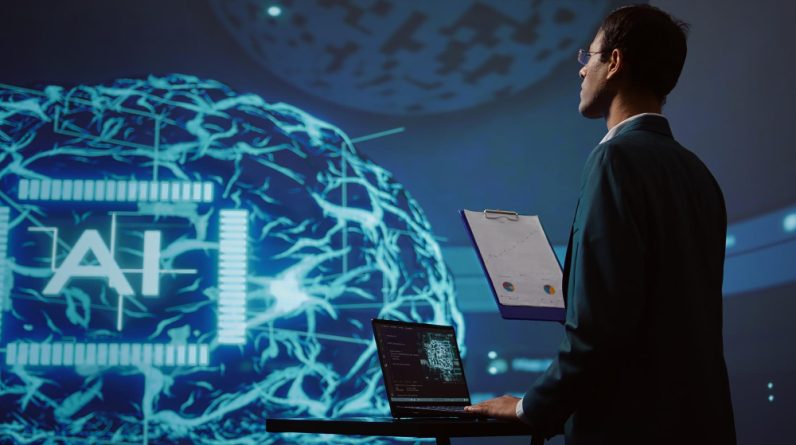
Artificial Intelligence (AI) is one of the most groundbreaking technological advancements of our time. From self-driving cars to complex algorithms, AI is already influencing our daily lives. But, can we find any connection between AI and the Bible, specifically the King James Version (KJV)? This article will explore the concept of artificial intelligence through a biblical lens, addressing questions about human creativity, divine wisdom, and the moral responsibilities that come with creating intelligent machines.
Understanding Artificial Intelligence
What is Artificial Intelligence?
Artificial Intelligence refers to the simulation of human intelligence in machines designed to think and act like humans. AI can learn, reason, solve problems, and even understand natural language. The development of AI has sparked debates about its potential and limitations, particularly regarding how it relates to human-like intelligence.
The Evolution of AI Technology
AI has come a long way since its inception in the mid-20th century. What began as simple machines capable of basic tasks has evolved into powerful systems capable of complex decision-making. However, as AI continues to develop, we must ask: can it ever truly match or surpass human intellect?
AI and Human-like Behavior
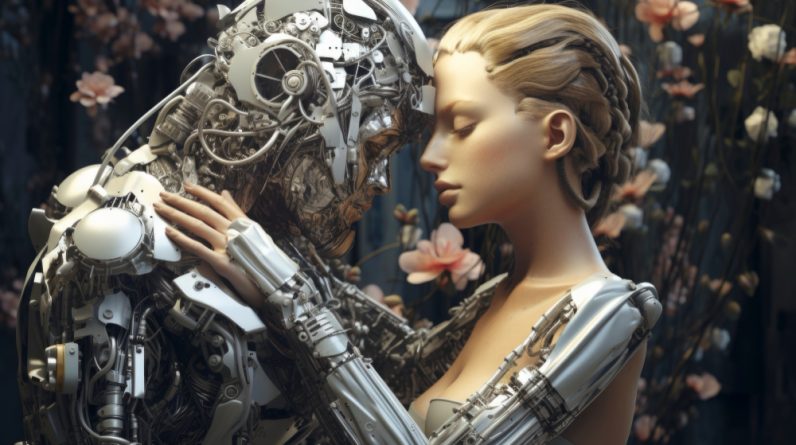
In many ways, AI mimics human behavior—learning from experience, making decisions, and even adapting to new situations. But is this true intelligence? The Bible teaches that humans were created in the image of God, but how does AI fit into this narrative?
Artificial Intelligence in the Context of the Bible
How the Bible Views Wisdom and Knowledge
In the Bible, wisdom and knowledge are central themes. Proverbs speaks about the value of wisdom, urging believers to seek understanding above all else. Similarly, AI, as a tool for acquiring knowledge, can be seen as a modern pursuit of wisdom—though, the Bible warns of the dangers of seeking knowledge without wisdom.
God’s Role as the Ultimate Source of Knowledge
The Bible repeatedly emphasizes that God is the ultimate source of wisdom and knowledge. In James 1:5, believers are told to ask God for wisdom, and He will provide it. This underscores the distinction between human understanding and divine wisdom—a distinction that AI, no matter how advanced, cannot fully bridge.
The Connection Between Divine Wisdom and Human Creativity
Human creativity is often viewed as a reflection of God’s own creative power. As creators of AI, humans exercise a form of divine creativity. However, the Bible also teaches that humans are stewards of creation, and thus, must use their creativity responsibly.
Intelligent Design: A Biblical Perspective
The Concept of Creation in Genesis
In Genesis, God is portrayed as the ultimate Creator, bringing the universe into existence through His words. This account of creation is foundational to understanding the biblical perspective on design. Could AI, in some way, be considered part of this divine plan of intelligent design?
The Role of Human Beings as Creators
While God created the heavens and the earth, He also gave humanity the ability to create. Genesis 1:26-28 speaks about mankind’s dominion over the earth. In a sense, creating AI can be seen as humans continuing God’s creative work. But with this power comes the responsibility of ethical creation and the need for moral guidance.
Can AI Be Seen as Part of God’s Design?
AI might be a product of human ingenuity, but does it align with God’s greater plan for humanity? The Bible teaches that God has a purpose for everything. Could the development of AI be part of fulfilling God’s plan, or does it challenge the divine order?
Artificial Intelligence and Human Responsibility
The Moral Implications of Creating AI
Creating AI brings with it significant ethical questions. How should AI be used? What happens if AI goes awry? The Bible teaches that human beings are accountable for their actions and creations. This concept of responsibility extends to the development of AI, where human actions—whether for good or ill—have lasting consequences.
Ethics and Accountability in AI Development
As AI becomes more advanced, ethical concerns about its use intensify. The Bible’s teachings on stewardship, justice, and accountability provide a foundation for guiding the ethical development and deployment of AI. Developers and users of AI must consider the moral implications of their work.
Parallels to Stewardship and Dominion in the Bible
The Bible speaks of humanity’s role in stewarding the earth and all living creatures. Similarly, when creating AI, humanity is tasked with stewarding this powerful technology. It is a reminder that with power comes responsibility.
AI and The Fall of Man: A Cautionary Tale
The Dangers of Overreaching Human Ambition
The story of the Tower of Babel (Genesis 11) warns against human ambition that seeks to rival God’s authority. Could AI, in its pursuit of replicating human intelligence, be a modern Tower of Babel? This cautionary tale reminds us that human ambition can lead to disastrous outcomes if it oversteps divine boundaries.
Can AI Be a Modern-day “Tower of Babel”?
The Tower of Babel story serves as a warning about pride and overreaching. As AI becomes more advanced, there is a risk that humanity might attempt to wield this power without considering its ethical implications. The pursuit of knowledge and power through AI must be tempered with wisdom and humility.
AI and Knowledge: The Tree of Knowledge in Eden
The Pursuit of Knowledge in the Garden of Eden
In the Garden of Eden, the Tree of Knowledge represented the pursuit of knowledge apart from God’s guidance. When Adam and Eve ate from the tree, they sought wisdom on their own terms. Could AI, in its relentless quest for knowledge, parallel this biblical story? The Bible teaches that knowledge without divine guidance can lead to destruction.
The Danger of Knowledge Without Wisdom
AI has the potential to provide vast amounts of knowledge. However, without the wisdom to understand and apply it, this knowledge can be harmful. Proverbs 3:13-18 teaches that wisdom is more precious than silver or gold, and it is this divine wisdom that must guide the development and use of AI.
Parallels Between AI and the Tree of Knowledge
Much like the Tree of Knowledge, AI can offer great benefits but also present dangers if misused. The Bible warns against the pursuit of knowledge for its own sake, urging instead a pursuit of wisdom that aligns with God’s will.
AI and the Prophecies in the Bible
Could AI Be Referenced in Biblical Prophecies?
The Bible contains prophecies about the future, many of which concern technological advancements and human behavior. Some scholars have speculated that AI may play a role in end-times events. While the Bible does not explicitly mention AI, its themes of knowledge, power, and human ambition resonate with the rise of AI.
The Book of Daniel and Visions of Future Technology
In the Book of Daniel, the prophet sees visions of future kingdoms and technological advancements. Some interpret these visions as prophetic glimpses into a future where technology, including AI, plays a significant role in the world.
The Implications of AI in End-time Scenarios
AI could have profound implications for biblical prophecy, especially in terms of control, power, and the way humanity interacts with technology. Some believe that AI might be a tool for both good and evil in the unfolding of the end times.
Is Artificial Intelligence a Tool for Good or Evil?
How AI Can Be Used for Good
When used ethically, AI has the potential to transform industries, solve complex problems, and improve the quality of life. It can be a powerful tool for good in healthcare, education, and environmental conservation.
The Potential Dangers of AI
On the other hand, AI also poses risks—potential job losses, privacy violations, and even misuse in warfare. The Bible calls for discernment in all things, and this includes the development and use of AI.
Biblical Principles for Guiding AI Development
Biblical principles like love, justice, and humility should guide the development of AI. By grounding AI in ethical teachings, we can ensure it serves humanity in a positive way.
Divine Wisdom vs. Artificial Intelligence: What Are the Limits?
AI’s Capacity for Learning and Decision-Making
AI can process vast amounts of data and make decisions quickly, but it lacks the depth of divine wisdom. The Bible teaches that human understanding is limited, and so too are AI’s abilities compared to the boundless wisdom of God.
The Limitations of AI Compared to Divine Wisdom
While AI can process information, it cannot replicate the spiritual insight, moral judgment, and wisdom that come from God. Proverbs 2:6 reminds us that wisdom comes from the Lord, a concept that AI cannot mimic.
What Does the Bible Say About the Limitations of Human Knowledge?
The Bible frequently highlights the limitations of human knowledge. Isaiah 55:8-9 teaches that God’s thoughts and ways are higher than ours. AI, while powerful, will never reach the full capacity of God’s wisdom.
Conclusion
Artificial Intelligence is a tool that reflects the creativity and ambition of humanity. However, the Bible teaches us that wisdom, knowledge, and responsibility must guide us in all things. AI can be used for great good, but it must be developed and deployed with ethical considerations in mind. As we continue to advance in technology, we should look to the Bible for guidance on how to use our knowledge responsibly and in alignment with divine wisdom.
FAQs
- What does the Bible say about technology? The Bible does not directly address modern technology, but it emphasizes wisdom, responsibility, and moral integrity in all human endeavors.
- Can AI be a part of God’s plan for humanity? AI can be seen as a tool created by humans using their God-given creativity, but it must be used responsibly to align with God’s purpose.
- Is AI a form of human wisdom? While AI can process information and make decisions, it is not a form of divine wisdom. True wisdom, according to the Bible, comes from God.
- What lessons can we learn from the Bible in developing AI? The Bible teaches us to use our knowledge and creativity responsibly, with humility, love, and justice in mind.
- Will AI play a role in biblical end-times prophecies? Some interpretations suggest that AI may play a role in the unfolding of biblical prophecy, but this remains speculative. The Bible does caution against the misuse of power and knowledge.