
Timing is Everything: A Fun Exploration of Business Days
In the fast-paced world of business, time is of the essence. Every minute, every hour, and every day can make a significant impact on the success of a company. One of the most common ways to measure time in the business world is through the concept of business days. But have you ever stopped to think about what exactly constitutes a business day and how it can vary from one company to another? Let’s delve into this fascinating topic and explore the length of three business days ahead.
First and foremost, it’s essential to understand what a business day actually is. In most countries, a business day is typically defined as any day from Monday to Friday, excluding public holidays. This means that weekends and holidays are not considered business days, as most companies are closed during these times. However, the exact definition of a business day can vary depending on the industry, location, and specific company policies.
Now, let’s imagine a scenario where we are tasked with measuring the length of three business days ahead. This exercise can be both fun and educational, as it gives us a chance to explore the concept of time in a practical and hands-on way. To start, we need to choose a starting point, such as a Monday morning, and then count forward three business days to see where we end up.
As we embark on this journey through time, we may encounter various challenges and obstacles along the way. For example, unexpected delays, last-minute meetings, or urgent deadlines can all affect the length of our business days. However, by staying organized, focused, and proactive, we can navigate through these challenges and make the most of our time.

Image Source: ytimg.com
One of the key factors that can influence the length of a business day is the type of industry or job role we are in. For example, someone working in sales may have a very different experience of time compared to someone in a creative field. Sales professionals often have tight deadlines, constant client interactions, and a high-pressure environment, which can make their business days feel fast-paced and intense.
On the other hand, creatives may have a more flexible schedule, with time for brainstorming, collaboration, and experimentation. Their business days may feel more fluid and dynamic, allowing for greater creativity and innovation. By exploring these different perspectives, we can gain a deeper appreciation for the diverse ways in which time is experienced in the business world.
In addition to industry and job roles, the size and structure of a company can also impact the length of a business day. Large corporations may have multiple departments, teams, and projects running simultaneously, leading to a complex and interconnected network of schedules and timelines. On the other hand, small businesses or startups may have a more streamlined and agile approach to time management, with a greater emphasis on flexibility and adaptability.
As we continue to measure the length of three business days ahead, we may start to notice patterns and trends emerging. For example, Mondays are often considered the busiest and most challenging day of the week, as employees return to work after the weekend and face a mountain of tasks and deadlines. On the other hand, Fridays are typically more relaxed and laid-back, as people wind down for the weekend and tie up loose ends before taking a well-deserved break.
Overall, the concept of measuring time in the business world is both fascinating and complex. By exploring the length of three business days ahead, we can gain valuable insights into the ways in which time is perceived, managed, and utilized in different industries and companies. So next time you find yourself counting down the days until the weekend, take a moment to appreciate the intricacies of time in the world of business.
Let’s Measure Time: The Length of Three Busy Days Ahead
Image Source: free-power-point-templates.com
Time is a fascinating concept that governs our daily lives. Whether we are rushing to meet a deadline or eagerly awaiting an event, the passing of time impacts every aspect of our existence. In the business world, time is of the essence, and measuring it accurately is crucial for success. In this article, we will explore the length of three busy days ahead and delve into the intricacies of measuring time in a business setting.
Day 1: Monday
The week begins with a flurry of activity as employees return to work after the weekend. Meetings are scheduled, emails are answered, and projects are set into motion. The clock seems to tick by at a rapid pace as everyone settles into their work routine. The length of a business day on Monday can feel never-ending as tasks pile up and deadlines loom. However, with a positive attitude and a well-organized schedule, the day can be conquered with ease.
Measuring time on Monday involves prioritizing tasks and managing expectations. By breaking down the day into smaller increments and focusing on one task at a time, employees can make the most of their time and ensure that deadlines are met. Time management tools such as calendars, to-do lists, and timers can be invaluable in helping individuals stay on track and maximize their productivity.
Day 2: Tuesday
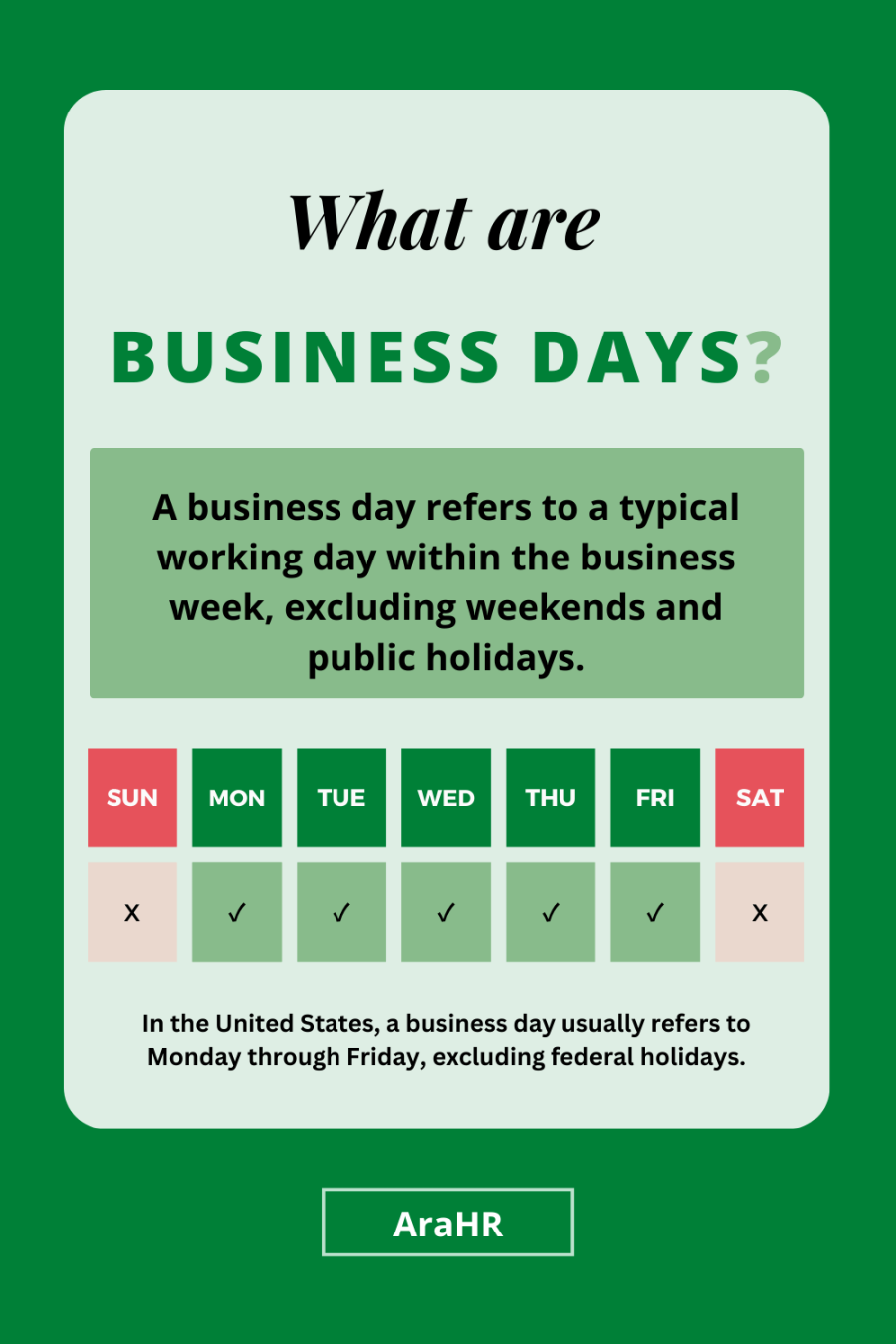
Image Source: arahr.com
As Tuesday rolls around, the momentum from Monday carries over into another busy day. Meetings continue, projects progress, and new challenges arise. The length of a business day on Tuesday can feel slightly more manageable than Monday, as employees find their rhythm and settle into the week. However, the pressure to perform and meet deadlines remains high.
Measuring time on Tuesday involves staying organized and staying focused. It is important to prioritize tasks, delegate responsibilities, and communicate effectively with colleagues. By setting clear goals and establishing a plan of action, employees can make the most of their time and ensure that their work is completed efficiently and accurately. Time management skills such as delegation, prioritization, and communication are essential for success on a busy day like Tuesday.
Day 3: Wednesday
Midweek arrives with a sense of relief as employees have made it halfway through the week. The length of a business day on Wednesday can feel like a balancing act as employees juggle multiple tasks and responsibilities. The pressure to meet deadlines and deliver results can be intense, but with the right mindset and time management skills, employees can navigate the day with confidence.
Measuring time on Wednesday involves staying focused and staying positive. It is important to take breaks, recharge, and refocus throughout the day. By practicing self-care and mindfulness, employees can maintain their energy levels and stay productive. Time management techniques such as time blocking, prioritization, and goal-setting can help individuals stay on track and make the most of their time on a busy day like Wednesday.
In conclusion, measuring time in a business setting is essential for success. By breaking down the length of three busy days ahead and implementing effective time management strategies, employees can optimize their productivity and achieve their goals. Time is a valuable resource that should be managed wisely, and by mastering the art of measuring time, individuals can navigate the challenges of the business world with ease.