Mastering the Art of Calculating Working Days
As an employer, one of the important tasks you need to master is calculating the number of working days in a year. This may seem like a simple task, but it can become quite complex when you take into account factors such as holidays, weekends, and employee schedules. However, with the right tools and techniques, you can easily navigate through this process and ensure that your business runs smoothly throughout the year.
To begin with, it is essential to understand what constitutes a working day. In most countries, a typical working day consists of eight hours of work, five days a week. This means that there are a total of 260 working days in a year if you exclude weekends and holidays. However, this number may vary depending on the specific rules and regulations in your country or industry.
One of the first steps in mastering the art of calculating working days is to create a yearly calendar that outlines all the holidays and weekends in a given year. This will help you visualize the number of non-working days that need to be accounted for when scheduling work and employee shifts. By having a clear overview of the entire year, you can better plan for busy periods and ensure that your business operations are not disrupted by unexpected closures.
Another important aspect to consider when calculating working days is the flexibility of your employees’ schedules. Some businesses may operate on a shift-based system, where employees work on a rotation that includes weekends and holidays. In this case, you will need to adjust your calculations to account for these variations and ensure that you have enough coverage during peak times.
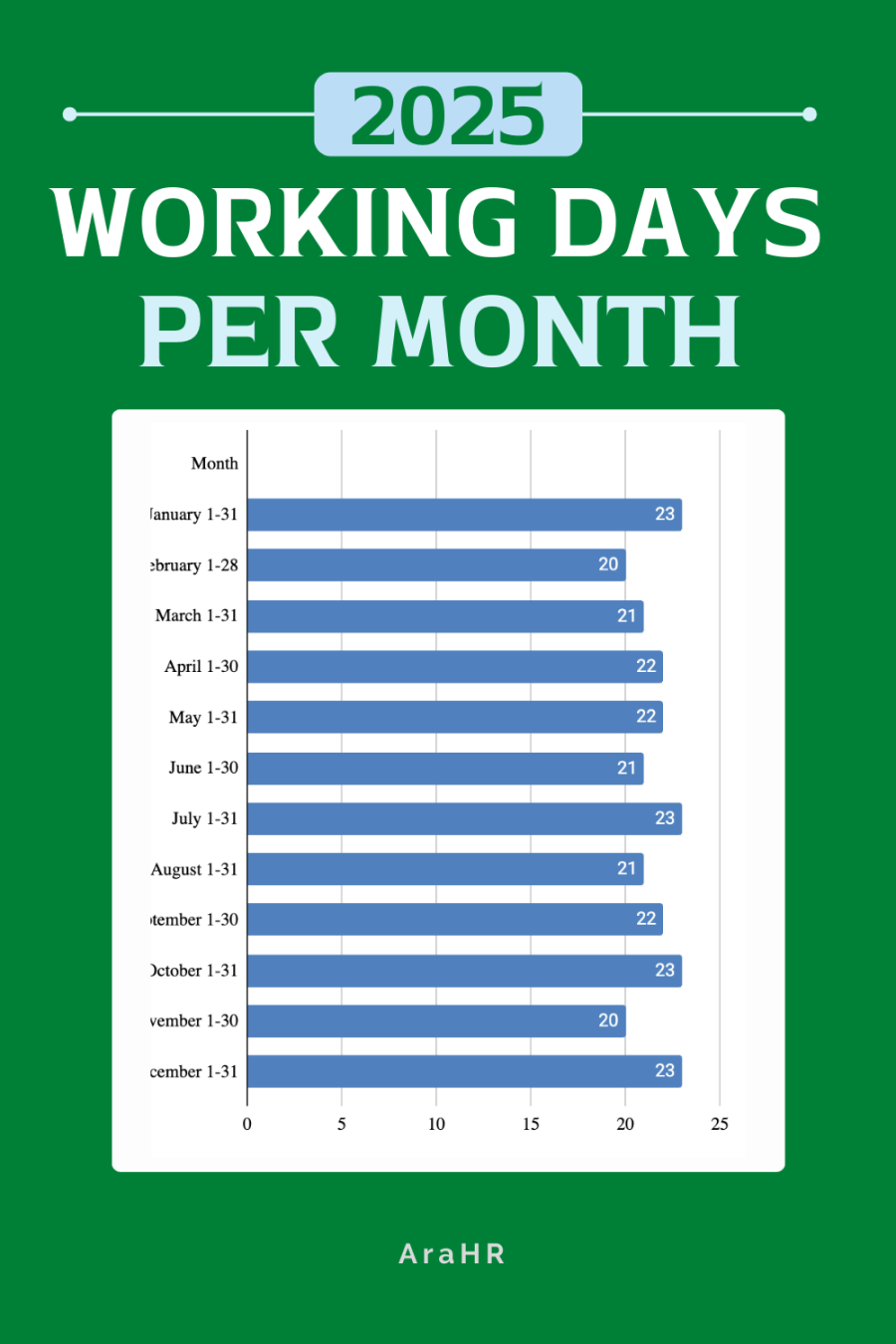
Image Source: arahr.com
Additionally, it is crucial to factor in any additional holidays or special events that may affect your business operations. For example, if your company observes religious or cultural holidays that are not included in the standard calendar, you will need to make adjustments to your calculations accordingly. By staying informed about upcoming events and holidays, you can avoid any potential disruptions to your business and ensure that you are adequately prepared.
In order to streamline the process of calculating working days, many employers choose to use digital tools and software that can automate this task. These tools can help you generate accurate and up-to-date calendars, calculate working hours, and track employee schedules with ease. By leveraging technology, you can save time and effort while ensuring that your business operates efficiently throughout the year.
Overall, mastering the art of calculating working days is a crucial skill for employers who want to boost productivity and ensure smooth business operations. By creating a detailed calendar, considering employee schedules, and staying informed about holidays and events, you can effectively manage your workforce and maximize efficiency. With the right tools and techniques, you can confidently navigate through the complexities of scheduling and ensure that your business thrives year-round.
Boosting Productivity with a Yearly Calendar
As employers, it is essential to find ways to maximize productivity in the workplace. One powerful tool that can help achieve this goal is a yearly calendar. By utilizing a yearly calendar effectively, employers can not only keep track of important dates and events but also strategically plan and optimize the number of working business days in a year.
A yearly calendar is more than just a tool for scheduling vacations and marking holidays. It can be a powerful asset in boosting productivity and efficiency in the workplace. By utilizing the features of a yearly calendar, employers can create a structured and organized work environment that fosters productivity and success.

Image Source: arahr.com
One of the key benefits of using a yearly calendar to boost productivity is the ability to plan and optimize the number of working business days in a year. By strategically marking important deadlines, meetings, and events on the calendar, employers can ensure that their employees are focused and motivated to meet their goals and objectives.
In addition, a yearly calendar can help employers track and manage employee schedules more effectively. By color-coding different activities and tasks, employers can easily see when their employees are busy and when they have free time to take on additional responsibilities. This can help avoid overloading employees with too much work and ensure that tasks are distributed evenly throughout the year.
Furthermore, a yearly calendar can serve as a visual reminder of long-term goals and objectives. By marking important milestones and deadlines on the calendar, employers can keep their team motivated and focused on achieving their goals. This can help create a sense of purpose and direction in the workplace, leading to increased productivity and success.
Another benefit of utilizing a yearly calendar to boost productivity is the ability to identify and eliminate potential bottlenecks in the workflow. By mapping out the entire year in advance, employers can identify periods of high activity and plan accordingly to ensure that deadlines are met and projects are completed on time. This can help streamline workflows and prevent delays that can hinder productivity.
In conclusion, a yearly calendar is a valuable tool for employers looking to boost productivity in the workplace. By strategically planning and optimizing the number of working business days in a year, employers can create a structured and organized work environment that fosters productivity and success. By utilizing the features of a yearly calendar, employers can track and manage employee schedules more effectively, set long-term goals and objectives, and identify and eliminate potential bottlenecks in the workflow. Overall, a yearly calendar is a powerful asset for employers seeking to maximize productivity and efficiency in the workplace.