
The Art of Selling Without Selling
When it comes to making a business pitch, many people make the mistake of treating it like a sales pitch or advertisement. However, the art of selling without selling is a completely different approach that focuses on building relationships and creating value for your potential clients.
A business pitch is not advertising: Here’s why. In traditional advertising, the goal is to promote a product or service in a way that convinces customers to make a purchase. This often involves highlighting the features and benefits of the product, creating a sense of urgency, and using persuasive language to drive sales.
On the other hand, selling without selling is about building trust, establishing credibility, and genuinely helping your clients solve a problem or achieve a goal. Instead of focusing solely on making a sale, this approach is more about listening to your clients’ needs, providing valuable insights and information, and building a long-term relationship based on trust and mutual respect.
One of the key differences between advertising and selling without selling is the mindset behind each approach. When you are advertising, you are focused on pushing your product or service onto potential customers, often using tactics that can come across as pushy or aggressive. This can create a sense of distrust and skepticism among your audience, making it more difficult to build a lasting relationship.
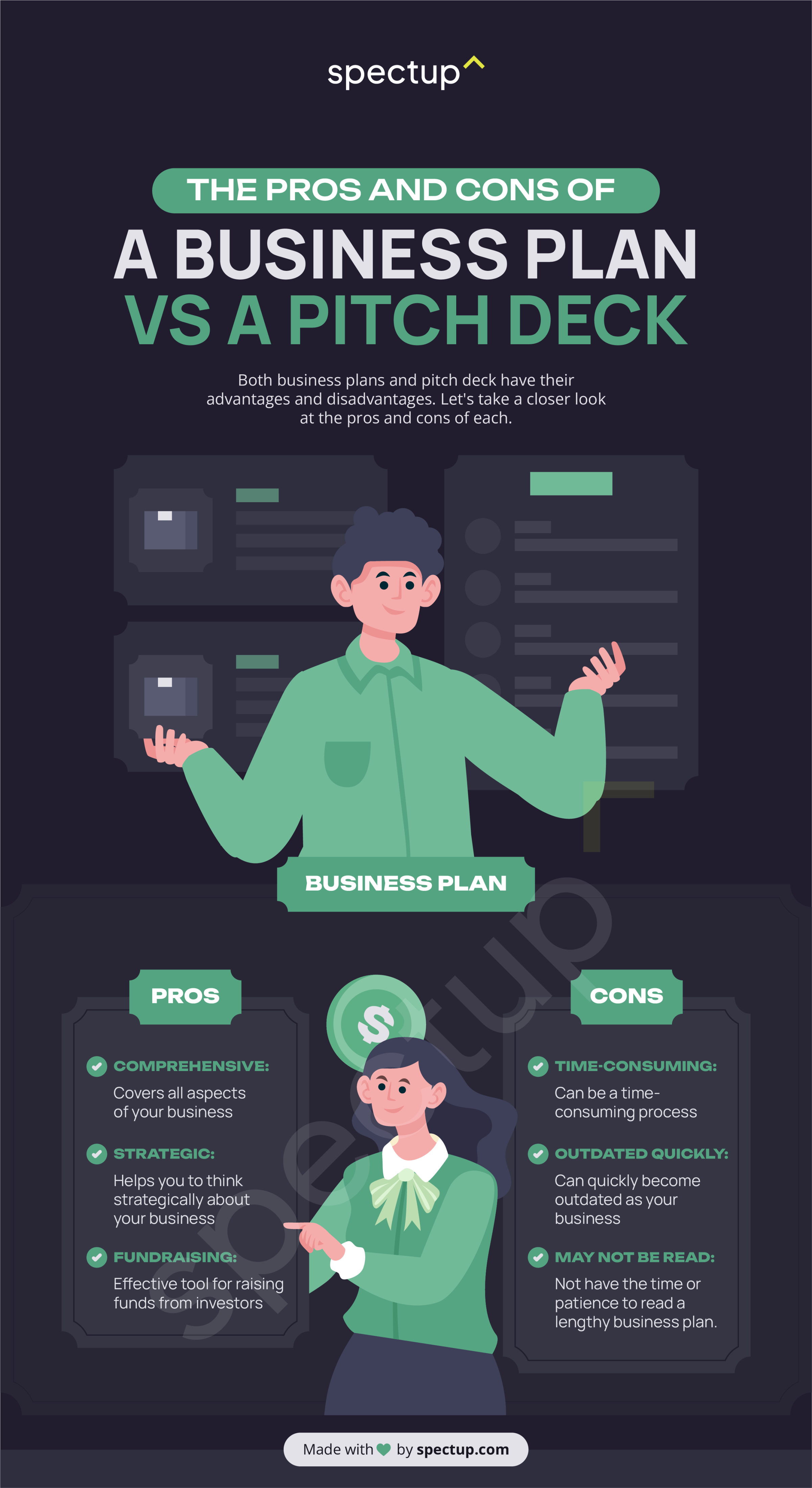
Image Source: website-files.com
In contrast, selling without selling is about approaching your business pitch with a genuine desire to help your clients succeed. Instead of trying to persuade them to buy from you, you are focused on understanding their needs and offering solutions that will truly benefit them. This approach creates a sense of authenticity and transparency that can help you build trust with your clients and differentiate yourself from competitors who are solely focused on making a sale.
Another important aspect of selling without selling is the way you communicate with your clients. In traditional advertising, the focus is often on crafting a compelling message that will grab the attention of potential customers and persuade them to take action. While this can be effective in driving short-term sales, it can also come across as insincere or manipulative.
When you are selling without selling, the emphasis is on having open, honest conversations with your clients that are focused on understanding their needs and providing value. This means listening carefully to their concerns, asking thoughtful questions, and offering solutions that are tailored to their specific situation. By taking the time to truly understand your clients’ needs and offering genuine help and support, you can build a stronger connection with them and earn their trust.
Ultimately, the art of selling without selling is about approaching your business pitch with a mindset of service and support rather than sales and persuasion. By focusing on building relationships, providing value, and genuinely helping your clients succeed, you can differentiate yourself from competitors and create a loyal customer base that will continue to support your business in the long term.
Why Your Business Pitch is Not Just Another Ad
When it comes to promoting a business or product, many people mistakenly believe that a business pitch is just another form of advertising. However, this couldn’t be further from the truth. While both advertising and pitching aim to attract customers and generate interest in a product or service, the two approaches are fundamentally different in their goals, strategies, and outcomes.
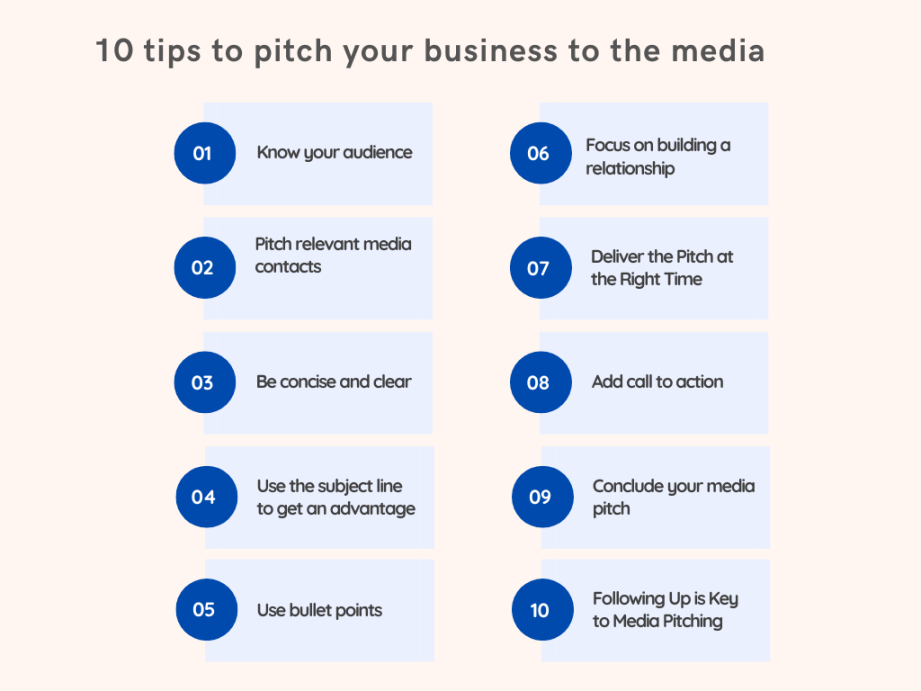
Image Source: 123financials.com
One of the key distinctions between a business pitch and an advertisement is the level of personalization and engagement involved. When you create an advertisement, you are essentially broadcasting a message to a wide audience in the hopes of catching the attention of a few potential customers. Advertisements are often impersonal and one-sided, with the focus being on selling a product or service rather than establishing a meaningful connection with the audience.
On the other hand, a business pitch is a more targeted and interactive approach to marketing. When you pitch your business to a potential investor, partner, or client, you are engaging in a conversation rather than a monologue. A successful pitch is not just about selling a product or service – it’s about building relationships, showcasing your expertise, and demonstrating the value that you can bring to the table.
Another important distinction between a business pitch and advertising is the level of trust and credibility that is established. While advertisements are often viewed with skepticism and suspicion by consumers, a well-crafted business pitch can help to build trust and credibility with your audience. By presenting yourself as an expert in your field, sharing your unique insights and expertise, and demonstrating your passion and commitment to your business, you can create a strong sense of trust and credibility that is essential for success.
Furthermore, a business pitch is an opportunity to showcase your creativity, innovation, and problem-solving skills. Unlike advertising, which often relies on tried-and-true marketing tactics and strategies, a business pitch requires you to think outside the box, come up with unique and compelling ideas, and present them in a way that is engaging and persuasive. A successful pitch is not just about selling a product or service – it’s about inspiring your audience, sparking their curiosity, and leaving a lasting impression.
In addition, a business pitch allows you to tailor your message to the specific needs and interests of your audience. While advertisements are often generic and one-size-fits-all, a business pitch can be customized to address the unique challenges, concerns, and goals of the person or group you are pitching to. By taking the time to understand your audience, do your research, and tailor your pitch to their specific needs and interests, you can increase the likelihood of success and make a lasting impact.
Overall, the key to a successful business pitch lies in understanding the difference between pitching and advertising. While both approaches aim to attract customers and generate interest in a product or service, a business pitch is a more personalized, engaging, and interactive approach that focuses on building relationships, establishing trust and credibility, showcasing creativity and innovation, and tailoring your message to the specific needs and interests of your audience. By mastering the art of the business pitch, you can set yourself apart from the competition, attract the right partners and investors, and take your business to new heights of success.