Introduction
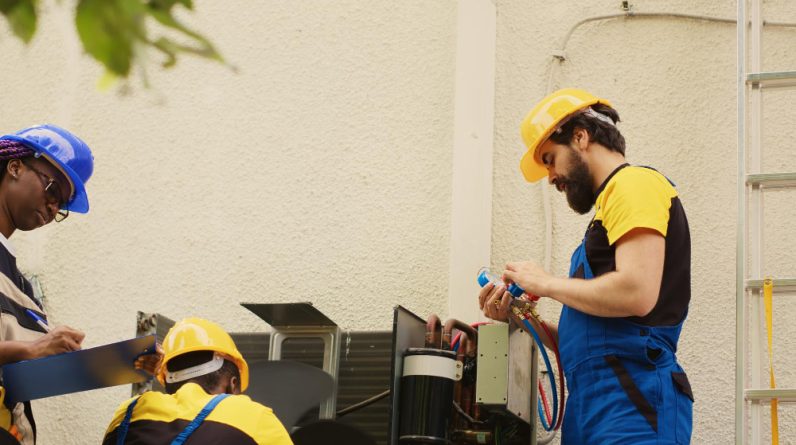
Are you intrigued by how electrical systems power our lives? If so, becoming an electrical technician might be the perfect career for you! Electrical technicians install, maintain, and repair electrical systems in residential, commercial, and industrial settings. But what does it take to get started in this field? Let’s break it down step by step.
Basic Education Requirements
Importance of a High School Diploma or GED
The journey to becoming an electrical technician starts with a solid foundation. A high school diploma or GED is the minimum educational requirement. It shows that you’ve mastered basic academic skills and are ready for further training.
Subjects to Focus on in High School
While in high school, focus on subjects like mathematics, physics, and technical drawing. These subjects are essential as they help you understand the principles of electricity and problem-solving.
Post-Secondary Education
Trade Schools and Vocational Training
Trade schools offer hands-on training and short-term courses specifically designed for aspiring electrical technicians. These programs typically last one to two years and provide the practical skills needed to enter the workforce quickly.
Benefits of Enrolling in a Trade School
Trade schools often have partnerships with local employers, making it easier to find job placements after graduation.
Associate Degree Programs in Electrical Technology
If you’re looking for a broader education, consider an associate degree. This two-year program covers topics like electrical theory, circuitry, and safety procedures.
Overview of Common Courses
- Circuit Design
- Electrical Code Compliance
- Power Systems
- Blueprint Reading
Licenses and Certifications
Why Certification Is Crucial
Certifications validate your skills and make you a more competitive candidate in the job market. They also ensure you meet safety and industry standards.
Common Electrical Technician Certifications
- NICET Certification: Recognized nationally, this certification proves your technical expertise.
- OSHA Safety Certifications: These highlight your understanding of workplace safety.
- State-Specific Licenses: Many states require electricians to hold a license to work legally.
Apprenticeship Programs
Gaining Hands-On Experience
An apprenticeship is a combination of classroom learning and on-the-job training. It allows you to earn while you learn.
How to Find an Apprenticeship Program
Look for programs through local unions, trade associations, or community colleges.
Combining Work with Education
Apprenticeships typically last four years and cover various aspects of electrical work, preparing you for a full-time role.
Skills Development
Technical Skills Required
- Wiring and Circuitry
- Electrical System Troubleshooting
- Knowledge of Electrical Codes
Soft Skills Every Technician Needs
- Communication and Problem-Solving: Explaining issues and finding solutions.
- Time Management and Teamwork: Meeting deadlines while collaborating effectively.
Advanced Education and Specialization
Bachelor’s Degree Options for Electrical Technicians
Some technicians choose to pursue a bachelor’s degree in electrical engineering for advanced roles.
Specialized Fields within Electrical Technology
- Renewable Energy: Solar and wind energy systems.
- Industrial Automation: Advanced control systems in manufacturing.
On-the-Job Training
Importance of Continuous Learning
Technology evolves, and so should your skills. Stay updated with the latest tools and techniques.
How Employers Support Career Growth
Many employers offer training programs, certifications, and workshops to help you advance.
Industry Trends and Job Outlook
Growing Demand for Electrical Technicians
The Bureau of Labor Statistics predicts steady job growth for electrical technicians, driven by advancements in technology and renewable energy.
Impact of Technology on the Industry
From smart homes to industrial robotics, technology is reshaping the role of electrical technicians.
Challenges and Rewards
Common Challenges Faced by Electrical Technicians
- Working in tight spaces
- Managing unexpected system failures
Rewards of a Career in Electrical Technology
- Job stability
- Opportunities for growth and specialization
Career Advancement Opportunities
Moving Up the Ladder: Supervisory Roles
With experience, you can advance to roles like project manager or supervisor.
Transitioning to Engineering or Related Fields
Some technicians use their experience as a stepping stone to become electrical engineers.
Tips for Aspiring Electrical Technicians
- Networking and Professional Organizations: Join associations like the National Electrical Contractors Association (NECA).
- Staying Updated with Industry Standards: Read industry publications and attend workshops.
Conclusion
Becoming an electrical technician is a rewarding journey filled with opportunities for growth and specialization. By investing in the right education, gaining hands-on experience, and continuously honing your skills, you’ll be well on your way to a successful career.
FAQs
- What is the average salary of an electrical technician?
The average salary is around $50,000 annually, with potential for growth based on experience and location. - How long does it take to become an electrical technician?
It typically takes 2-4 years, including education and apprenticeships. - Do electrical technicians need a license?
Yes, most states require a license to ensure compliance with safety standards. - Can I specialize in a specific area of electrical work?
Absolutely! Popular specializations include renewable energy and industrial automation. - Is continuing education necessary?
Yes, staying updated on technology and industry standards is crucial for long-term success.