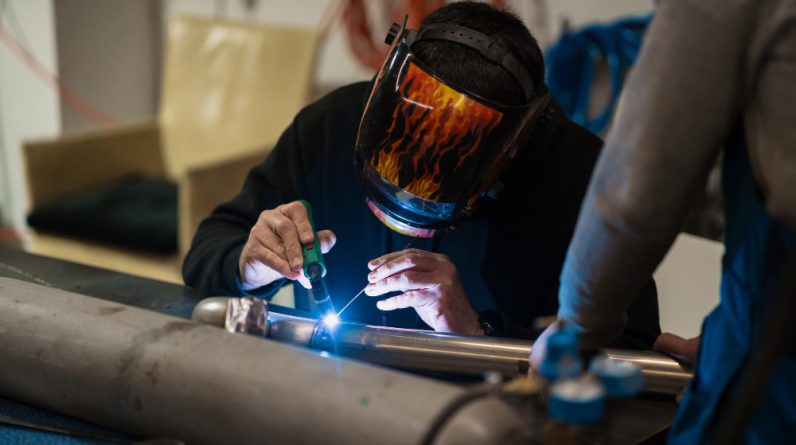
Introduction
Welding is a career where skill, precision, and hands-on experience meet science and technology. Whether you’re drawn to the spark of creativity or the prospect of building massive structures, welding offers opportunities across multiple industries. But what kind of education do you need to thrive in this field? Let’s break it down step by step.
Basic Education Requirements for Welding
High School Education as a Foundation
For most aspiring welders, the journey begins in high school. Courses like mathematics, physics, and shop classes provide a solid foundation. Math, in particular, helps welders calculate measurements and angles accurately, while shop classes introduce them to basic tools and safety practices.
The Role of Vocational Training
Technical and vocational schools often provide hands-on programs designed specifically for welding. These programs usually cover safety procedures, welding techniques, and equipment handling, giving students a jumpstart in their careers.
Welding Certifications and Licenses
Why Certifications Matter in Welding
Welding certifications serve as proof of competency, reassuring employers that you meet industry standards. Unlike a college degree, a certification focuses on practical skills, which are highly valued in the trade.
Popular Certification Programs
- AWS Certifications: The American Welding Society offers certifications like Certified Welder (CW) and Certified Welding Inspector (CWI), catering to varying skill levels.
- Specialty Certifications: For industries like underwater welding or aerospace, additional certifications may be required.
Specialized Welding Training Programs
Community College Welding Courses
Community colleges are an excellent option for those seeking affordable and comprehensive training. These programs often include both classroom instruction and lab work, balancing theory and practice.
Trade School Welding Programs
Trade schools focus exclusively on technical skills, offering intensive and shorter-duration courses. These programs are perfect for individuals looking to enter the workforce quickly.
Advanced Welding Techniques and Their Training Requirements
TIG Welding (Tungsten Inert Gas)
TIG welding requires precision and is often used in industries like aerospace and automotive. Mastering this technique involves advanced training and hours of practice.
MIG Welding (Metal Inert Gas)
MIG welding is ideal for high-speed production environments, such as factories. Training in MIG welding focuses on efficiency and consistency.
Underwater Welding
A niche but highly lucrative field, underwater welding combines diving skills with welding expertise. Specialized training and certifications, as well as physical fitness, are prerequisites for this career.
Higher Education Opportunities in Welding
Associate Degrees in Welding Technology
An associate degree expands your understanding of materials, metallurgy, and advanced welding techniques. Graduates are often eligible for supervisory roles or specialized positions.
Bachelor’s Degrees in Welding and Related Fields
For those interested in the science of welding, a bachelor’s degree in welding engineering or materials science offers opportunities in research, development, and academia.
Importance of Hands-On Experience in Welding
Apprenticeships as a Stepping Stone
Apprenticeships provide the perfect blend of theoretical learning and practical experience. Working alongside experienced welders offers invaluable insights and mentorship.
On-the-Job Training for Skill Refinement
Many welding skills are best learned on the job. Companies often provide training to help employees specialize in specific techniques or equipment.
The Role of Soft Skills in Welding Careers
Physical Strength and Endurance
Welding is physically demanding, often requiring workers to lift heavy materials and endure extreme heat.
Problem-Solving and Attention to Detail
The ability to troubleshoot and pay close attention to detail ensures high-quality work and safe operations.
Continuing Education and Lifelong Learning for Welders
Staying Ahead with Technological Advancements
Automation and robotics are becoming integral to welding. Learning to work with advanced machinery can set you apart.
Advanced Certifications for Career Growth
Certifications in robotic arc welding or advanced inspection techniques can lead to higher-paying roles.
Career Pathways in Welding and Their Educational Needs
Entry-Level Positions
Entry-level welders typically need a high school diploma and basic certifications. These roles often involve simpler tasks like assembly welding.
Advanced Roles and Leadership Positions
With additional education and certifications, welders can advance to roles like welding inspector, supervisor, or educator. These positions often come with higher salaries and greater responsibility.
Conclusion
Welding is a dynamic field that accommodates a variety of educational backgrounds. Whether you stop at a high school diploma or pursue advanced certifications and degrees, the opportunities are vast. The key is to pair your education with hands-on experience and stay updated with industry advancements.
FAQs
- Can you become a welder without formal education?
Yes, some welders start with on-the-job training, but certifications improve job prospects. - What is the best certification for a beginner welder?
The AWS Certified Welder (CW) is an excellent starting point for beginners. - How do trade schools compare to college programs for welding?
Trade schools are shorter and skill-focused, while colleges offer broader education and advanced opportunities. - Is welding a physically demanding job?
Yes, welding requires physical fitness due to its challenging working conditions. - What are the long-term career prospects for welders?
Welding offers stable job opportunities, with potential to advance into leadership or specialized roles.