Unraveling the Dark Side of AI: The Impact on Business
Artificial Intelligence (AI) has undoubtedly revolutionized the way businesses operate, with its ability to automate processes, analyze data, and improve efficiency. However, as with any new technology, there are potential downsides that must be considered. In this article, we will explore the dark side of AI and how it could negatively affect businesses.
One of the main concerns surrounding AI is the potential impact on the job market. With AI becoming increasingly capable of performing tasks that were once reserved for humans, there is a fear that many jobs will become obsolete. This could result in widespread unemployment and economic instability, as businesses rely more on AI and less on human labor.
Another downside of AI is the potential for bias and discrimination. AI algorithms are only as good as the data they are trained on, and if that data is biased, the AI system will also be biased. This could lead to discriminatory practices in hiring, lending, and other areas of business, which could damage a company’s reputation and lead to legal repercussions.
Additionally, there are concerns about the lack of transparency and accountability in AI systems. Many AI algorithms are complex and difficult to understand, making it hard to determine how decisions are being made. This lack of transparency can lead to errors or biases going unnoticed, potentially causing harm to businesses and their customers.
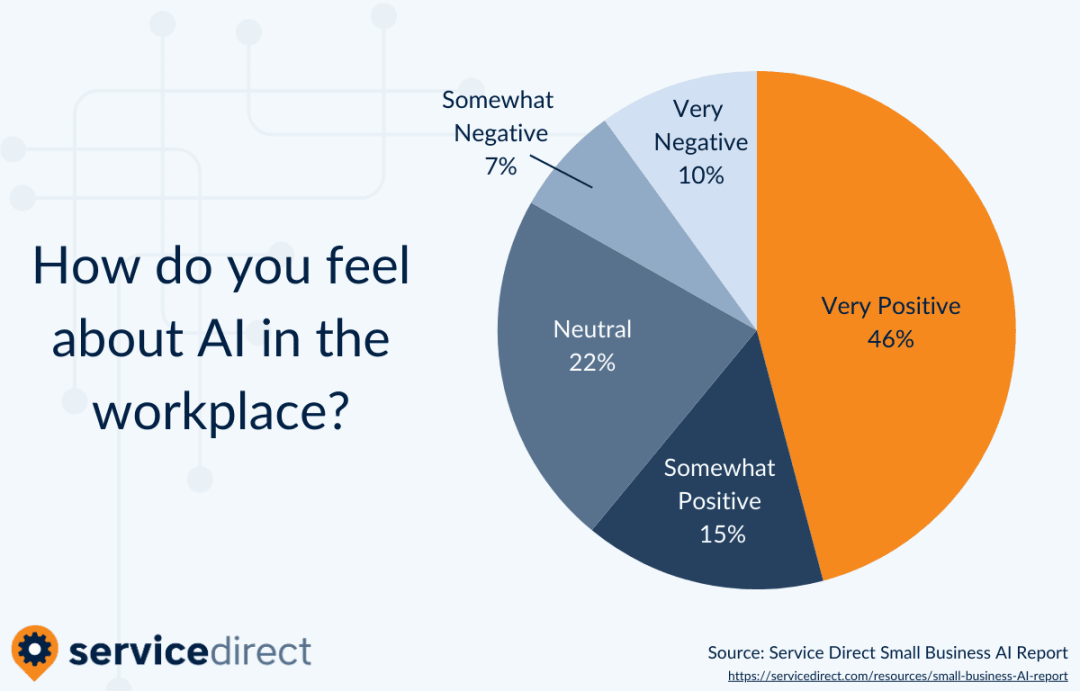
Image Source: servicedirect.com
Furthermore, there is a risk of AI systems being hacked or manipulated for malicious purposes. As businesses become more reliant on AI for critical functions, they also become more vulnerable to cyber attacks. If an AI system is compromised, it could lead to data breaches, financial losses, and damage to a company’s reputation.
The use of AI also raises ethical concerns, particularly in areas such as privacy and surveillance. AI systems are capable of collecting and analyzing vast amounts of data, raising questions about how that data is used and who has access to it. Businesses must navigate the fine line between using AI to improve customer experiences and respecting individual privacy rights.
Finally, there is the issue of cost. While AI has the potential to improve efficiency and reduce costs in the long run, implementing AI systems can be expensive and time-consuming. Small businesses, in particular, may struggle to afford the upfront costs of AI technology, putting them at a disadvantage compared to larger competitors.
In conclusion, while AI offers many benefits to businesses, it is important to be aware of the potential downsides. From job displacement to bias and discrimination, cybersecurity risks to ethical concerns, businesses must tread carefully when implementing AI systems. By addressing these challenges head-on and taking proactive measures to mitigate risks, businesses can harness the power of AI while minimizing the negative impact on their operations.
The Not-So-Sunny Side: How AI Could Hurt Businesses
Artificial Intelligence (AI) has been hailed as a game-changer for businesses, promising increased efficiency, productivity, and profitability. However, amidst all the buzz and excitement surrounding AI, it’s important to take a step back and consider the potential downsides that this technology can bring. While AI undoubtedly has a lot of benefits to offer, there are also some significant risks and challenges that businesses need to be aware of.
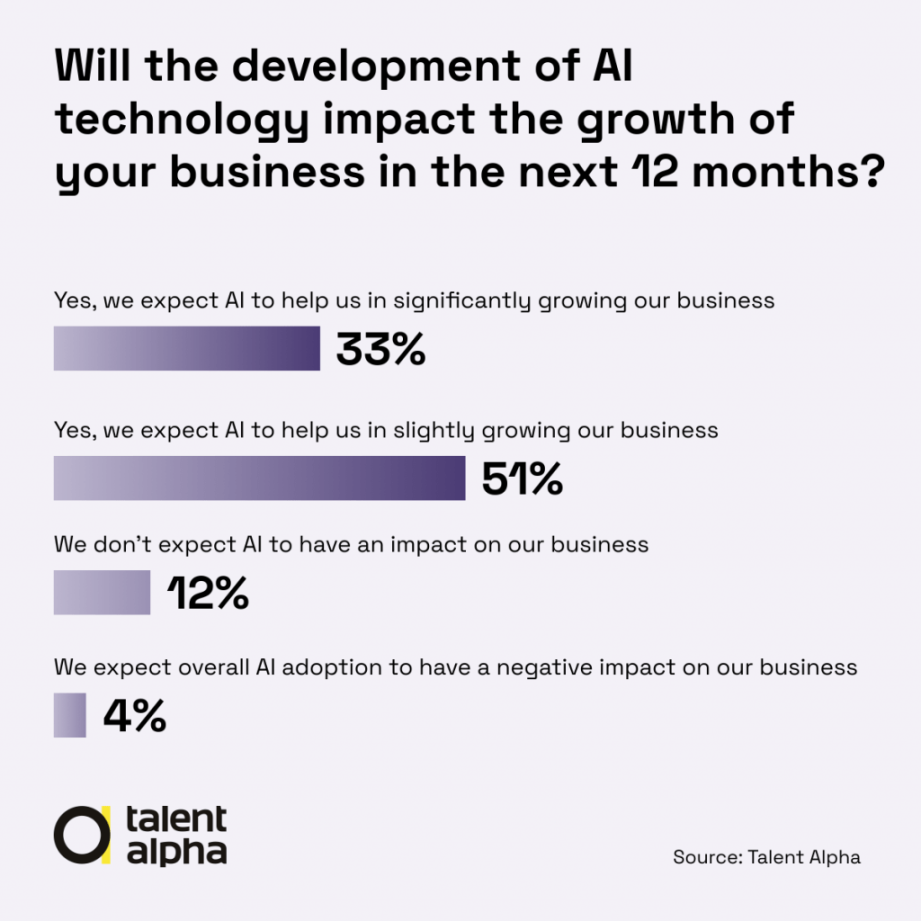
Image Source: talent-alpha.com
One of the major concerns when it comes to AI is the potential impact on the job market. As AI technology continues to advance, there is a real possibility that many jobs could be automated, leading to widespread job losses across various industries. This could have a devastating impact on individuals who find themselves suddenly out of work, as well as on the economy as a whole. Businesses will need to navigate this delicate balance of implementing AI technology to improve efficiency while also ensuring that they are not contributing to widespread unemployment.
Another issue that businesses may face with AI is the lack of transparency and accountability in AI decision-making. AI algorithms are often complex and opaque, making it difficult for businesses to understand how decisions are being made. This lack of transparency can lead to biased or unfair outcomes, which could have serious consequences for businesses, including reputational damage and legal challenges. It will be crucial for businesses to invest in tools and processes that promote transparency and accountability in AI decision-making.
Furthermore, there is a growing concern over data privacy and security in the age of AI. As businesses collect and analyze vast amounts of data to train their AI algorithms, there is a risk that this data could be misused or compromised. In the event of a data breach, businesses could face significant financial and reputational damage, not to mention potential legal ramifications. It will be essential for businesses to prioritize data security and privacy to mitigate these risks and build trust with their customers.
Another potential downside of AI for businesses is the risk of over-reliance on technology. While AI can undoubtedly streamline processes and improve efficiency, businesses that become too reliant on AI run the risk of losing the human touch that is essential for building strong relationships with customers and employees. It will be important for businesses to strike the right balance between leveraging AI technology and maintaining a human-centered approach to ensure long-term success.
In addition to these challenges, businesses may also face issues related to regulatory compliance and ethical considerations when it comes to AI. As governments around the world grapple with how to regulate AI technology, businesses will need to stay informed and adapt to changing regulations to avoid costly penalties and legal challenges. Furthermore, businesses will need to consider the ethical implications of using AI, such as ensuring that AI is used in a fair and responsible manner that respects the rights and dignity of individuals.
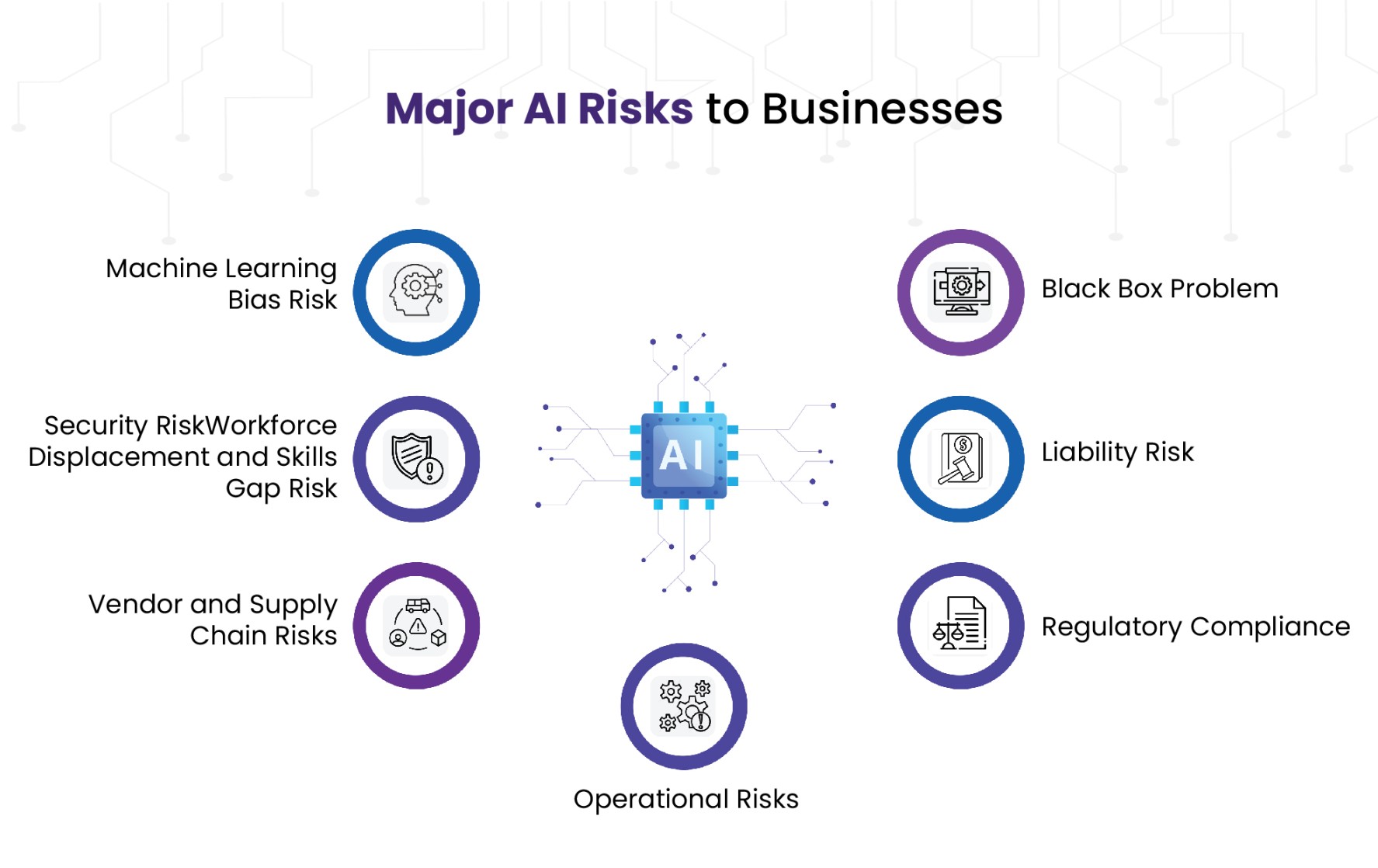
Image Source: website-files.com
Overall, while AI has the potential to revolutionize the way businesses operate, it is essential for businesses to be aware of the potential downsides and challenges that this technology can bring. By proactively addressing these issues and implementing strategies to mitigate risks, businesses can harness the power of AI while minimizing the negative impact on their operations and stakeholders. It will be crucial for businesses to approach AI implementation with caution and foresight to ensure a successful and sustainable future in the age of AI.